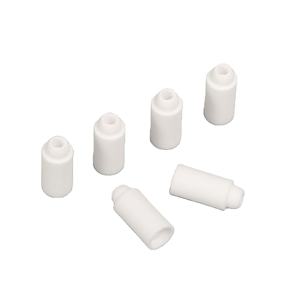
Professional industry ceramic supplier, silicon nitride, silicon carbide, aluminum nitride and any other kinds of ceramics.

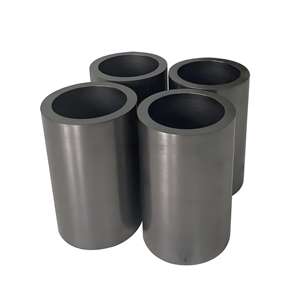
PRODUCT PARAMETERS
Description
Overview of High Quality Silicon Carbide Ceramic Refractory Plate
High Quality Silicon Carbide Ceramic Refractory Plate are non-metallic substances designed to withstand extreme temperatures exceeding 1,000°C, along with harsh chemical and physical stresses. They are essential for the inner linings of industrial furnaces, kilns, reactors, and incinerators, providing critical thermal insulation and structural integrity in processes ranging from metal and glass manufacturing to power generation.
Features of High Quality Silicon Carbide Ceramic Refractory Plate
-
High-Temperature Resistance: Maintain structural strength and stability at temperatures often exceeding 1500°C.
-
Excellent Thermal Shock Resistance: Withstand rapid heating and cooling cycles without cracking or spalling.
-
Chemical Inertness: Resist corrosion and degradation from slags, molten metals, and acidic or basic environments.
-
High Mechanical Strength: Possess considerable load-bearing capacity at operating temperatures.
-
Low Thermal Conductivity: Provide effective insulation to improve energy efficiency and protect furnace structures.
-
Abrasion Resistance: Withstand erosion from solid materials and gas flows.
Specification of High Quality Silicon Carbide Ceramic Refractory Plate
These silicon carbide ceramic plates handle high heat well. They work great in kilns and furnaces. The material is special silicon carbide. It is very strong and lasts long. High purity is key. We use over 98% pure silicon carbide. This purity makes the plates tough. It helps them resist wear and tear.
The plates have high density. Density is about 3.1 grams per cubic centimeter. This dense structure stops gases and liquids getting through. The plates stay solid under pressure. They resist chemical attacks too. Acids and alkalis do not damage them easily. This is important for many industrial uses.
Thermal shock resistance is a big benefit. These plates handle sudden temperature changes. They go from hot to cold without cracking. Other materials often break doing this. Silicon carbide stays intact. This means less downtime and replacement costs.
The plates conduct heat efficiently. Heat spreads evenly across the surface. This gives uniform heating for your products. Temperature differences across the plate are small. You get consistent results every time.
Strength at high temperatures is excellent. The plates keep their shape and strength even when very hot. They do not bend or sag under load. This allows stacking and heavy use in furnaces. Long service life is another advantage. These plates outlast cheaper alternatives. They save money over time.
Common applications include kiln furniture. The plates hold items during firing. They are used in sintering and heat treatment processes. Many industries rely on them. These include ceramics, metallurgy, and electronics manufacturing.
Applications of High Quality Silicon Carbide Ceramic Refractory Plate
High quality silicon carbide ceramic refractory plates are incredibly tough materials. They handle extreme heat very well. They resist chemical attacks effectively. These properties make them perfect for demanding industrial jobs. People use them widely across many high-temperature processes.
Kiln furniture is one major application. These plates act as sturdy shelves inside kilns. They hold products during firing. They support heavy ceramic or metal pieces reliably. They withstand repeated heating and cooling cycles. They last a long time without breaking down. This saves money on replacements. Kiln operations run smoothly.
Heat treatment furnaces rely on these plates too. They form stable bases for parts getting treated. They ensure even heat distribution. They maintain their shape even under intense heat. This consistency is vital for quality results. Furnace linings also use silicon carbide plates. They protect the furnace structure. They extend the furnace’s working life significantly.
Other industries benefit greatly. Semiconductor manufacturing requires clean, high-temperature environments. These plates provide stable surfaces for wafer processing. Metal foundries use them as pouring spouts or trough liners. They handle molten metal without degrading. They resist corrosion from slag. Glass plants employ them near melting tanks. They endure the harsh conditions near molten glass.
High quality silicon carbide plates offer real advantages. They promote energy efficiency. They reduce downtime. They lower overall production costs. Their reliability is proven in tough settings.
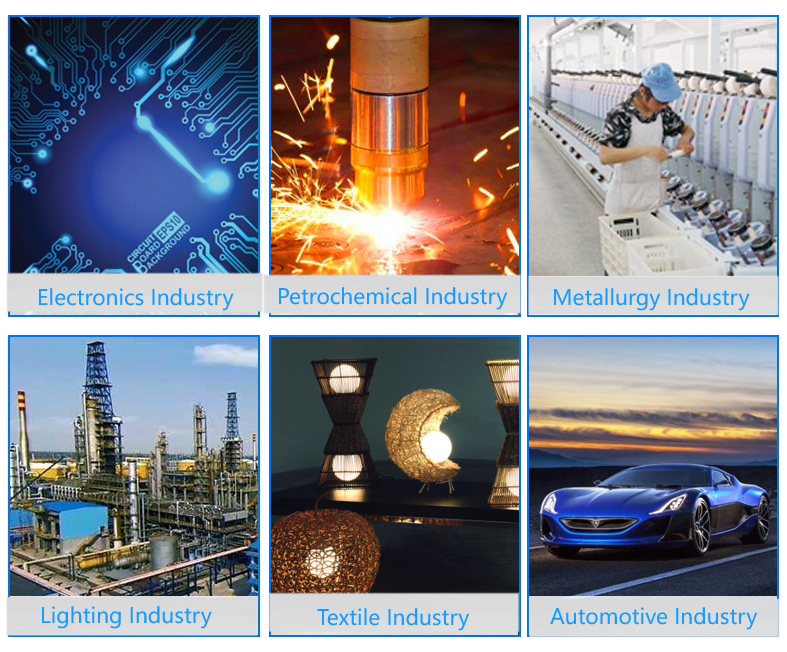
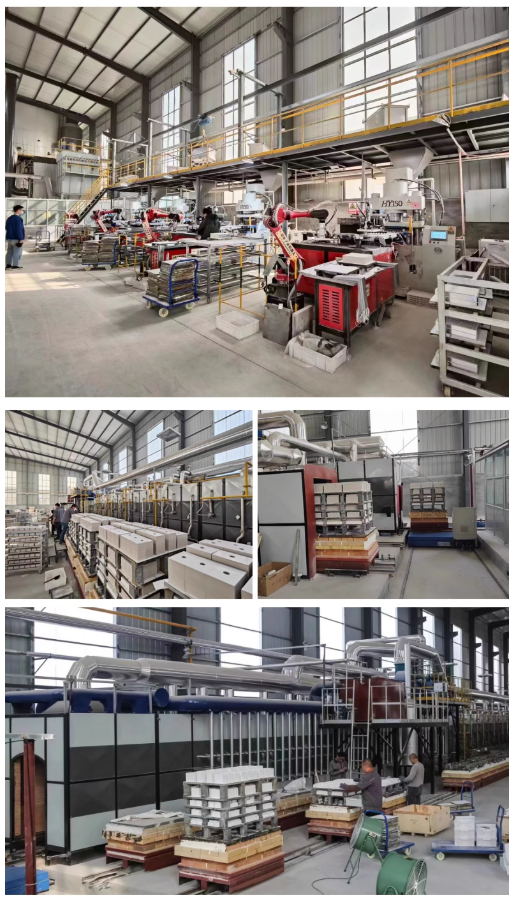
Company Profile
Tanki New Materials Co.Ltd. focus on the research and development, production and sales of ceramic products, serving the electronics, ceramics, chemical and other industries. Since its establishment in 2015, the company has been committed to providing customers with the best products and services, and has become a leader in the industry through continuous technological innovation and strict quality management.
Our products includes but not limited to Aerogel, Aluminum Nitride, Aluminum Oxide, Boron Carbide, Boron Nitride, Ceramic Crucible, Ceramic Fiber, Quartz Product, Refractory Material, Silicon Carbide, Silicon Nitride, ect. please feel free to contact us.
Payment Methods
T/T, Western Union, Paypal, Credit Card etc.
Shipment Methods
By air, by sea, by express, as customers request.
5 FAQs of High Quality Silicon Carbide Ceramic Refractory Plate
High Quality Silicon Carbide Ceramic Refractory Plates: Top 5 FAQs
What temperature can these plates handle?
These plates withstand extreme heat. They handle temperatures up to 1600°C (2912°F). This makes them perfect for kilns and furnaces. They stay strong without cracking.
Why pick silicon carbide ceramic over other materials?
Silicon carbide ceramic plates offer several key benefits. They resist heat very well. They also handle thermal shock effectively. Sudden temperature changes don’t break them easily. They last longer than many other options. They are very tough and durable.
Where are these plates typically used?
These plates are used in many high-heat settings. Kilns use them for firing ceramics. Furnaces use them for sintering metals. Foundries use them for metal casting. They are also common in heat treatment processes. They hold items securely during intense heating.
How long do these refractory plates last?
These plates last a very long time. Their lifespan depends on use. It depends on the temperatures they face. It also depends on how often they experience thermal cycling. Compared to cheaper plates, they last much longer. This saves money over time. They resist wear and chemical corrosion well.
Are there handling precautions?
Yes, handle these plates with care. They are strong but can be brittle. Dropping them might cause chips or cracks. Always support them fully when moving. Store them flat. Avoid stacking them unevenly. Protect the edges during transport.
REQUEST A QUOTE
RELATED PRODUCTS
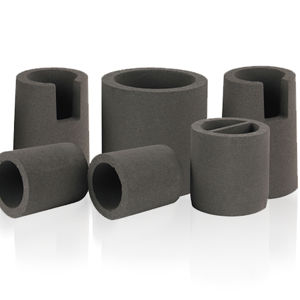
Cheap Factory Fireproof Aluminum Silicate Refractory Insulation Ceramic Fiber Board
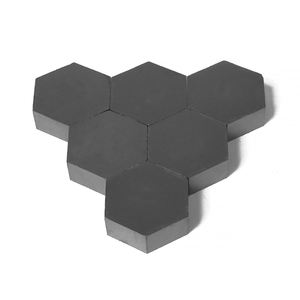
Hyperthermia Wear-Resistant Burnt Gem Refractory Clay Clinker Ceramics for Making High Quality Refractory Materials
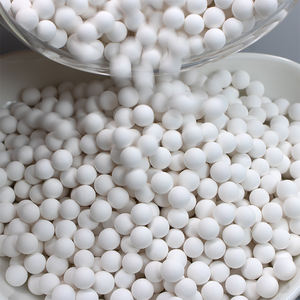
1400C /1260 Furnace Refractory Textiles Thermal Insulation Ceramic Fiber Cloth with Steel Wire
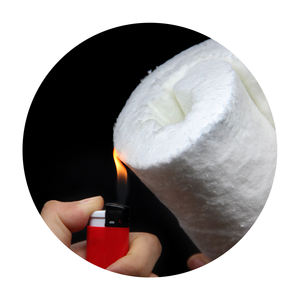
Refractory 99.7% Al2O3 Alumina Ceramic Pipe Thermocouple Ceramic Protection Tube
High Performance Diamond Honeycomb Ceramic Burner Plate For Heater – Cordierite Gas Refractory Brick