Professional industry ceramic supplier, silicon nitride, silicon carbide, aluminum nitride and any other kinds of ceramics.

PRODUCT PARAMETERS
Description
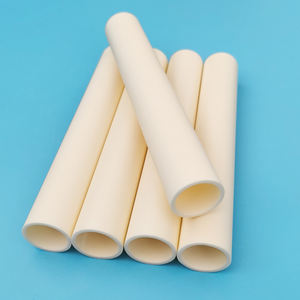
Overview of High Temperature Refractory Alumina Ceramic Lined Pipe/Elbow
High Temperature Refractory Alumina Ceramic Lined Pipe/Elbow are non-metallic substances designed to withstand extreme temperatures exceeding 1,000°C, along with harsh chemical and physical stresses. They are essential for the inner linings of industrial furnaces, kilns, reactors, and incinerators, providing critical thermal insulation and structural integrity in processes ranging from metal and glass manufacturing to power generation.
Features of High Temperature Refractory Alumina Ceramic Lined Pipe/Elbow
-
High-Temperature Resistance: Maintain structural strength and stability at temperatures often exceeding 1500°C.
-
Excellent Thermal Shock Resistance: Withstand rapid heating and cooling cycles without cracking or spalling.
-
Chemical Inertness: Resist corrosion and degradation from slags, molten metals, and acidic or basic environments.
-
High Mechanical Strength: Possess considerable load-bearing capacity at operating temperatures.
-
Low Thermal Conductivity: Provide effective insulation to improve energy efficiency and protect furnace structures.
-
Abrasion Resistance: Withstand erosion from solid materials and gas flows.
Specification of High Temperature Refractory Alumina Ceramic Lined Pipe/Elbow
This pipe handles laborious. It moves things like coal ash or steel bits. This pipeline manages high warmth also. It increases to 2000 levels Fahrenheit. The pipeline has an unique inside layer. This layer is made from alumina ceramic. Alumina ceramic is really tough. It lasts a very long time versus wear. The pipeline has a solid steel outer shell. This steel covering gives it stamina. The pipeline attaches to other pipelines quickly. It utilizes conventional flanges. The ceramic lining bonds firmly to the steel. This bond is strong. It stops the cellular lining from breaking off. The pipe is available in various sizes. Typical sizes are from 2 inches to 12 inches. The wall thickness is likewise adjustable. The pipeline can be made straight or curved. The bent pipe is called a joint. The ceramic-lined elbow joint transforms the pipe instructions smoothly. The ceramic lining inside the joint protects the contour. The curve usually breaks quick. The pipe functions well in nuclear power plant. It functions well in cement manufacturing facilities too. It works well in mining procedures. The pipeline handles abrasive dirt. It handles warm gases. It handles challenging slurries. The pipe lasts a lot longer than typical steel pipelines. Typical steel pipelines break rapidly. This pipe saves money on substitutes. It also cuts downtime for fixings. The pipeline is trustworthy for harsh conditions. It maintains product flowing. It lowers maintenance expenses dramatically.
Applications of High Temperature Refractory Alumina Ceramic Lined Pipe/Elbow
High temperature refractory alumina ceramic lined pipes and joints fix difficult issues. These items take care of extremely warm, unpleasant, and corrosive products. They last a lot longer than normal steel pipelines. This saves cash on substitutes and downtime.
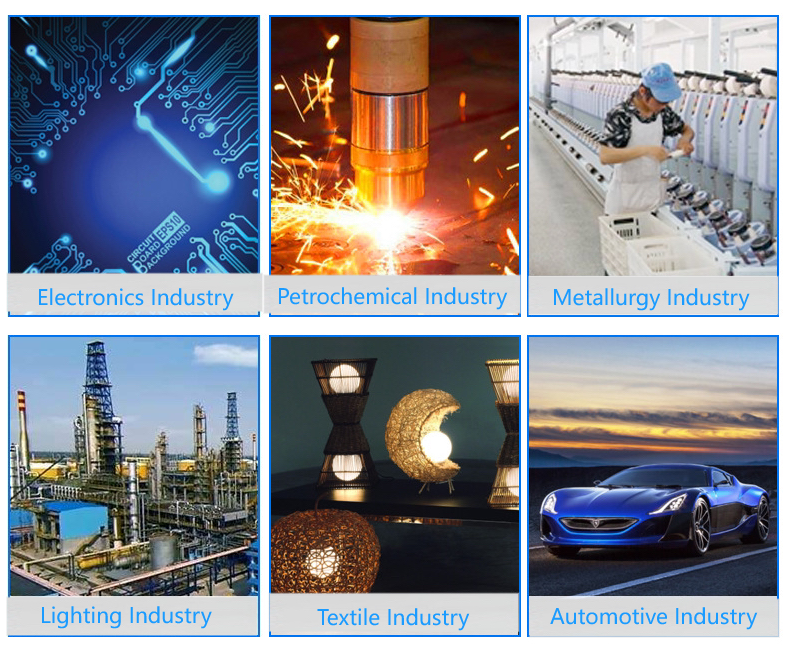
Industries like power plants, mining, cement, and chemical handling utilize them. They encounter harsh conditions. Common pipes break fast. Ceramic lined pipelines manage this much better. The alumina ceramic lining is extremely difficult. It resists abrasion extremely well.
The ceramic cellular lining is bound strongly to the steel pipe or joint. This produces a safety barrier. Warm gases, fly ash, or destructive chemicals damage the lining much less. The pipe remains useful longer. It withstands temperatures up to 3000 ° F or even more. This is vital for high warm applications.
Typical uses consist of pneumatic sharing lines. They carry materials like coal, sand, or minerals. Central heating boiler systems use them for fly ash removal. Cyclone separators and air ducts benefit significantly. Anywhere materials scratch or put on pipes, ceramic cellular lining assists.
These pipes decrease maintenance demands dramatically. They minimized costly shutdowns. Procedures run smoother. Manufacturing boosts. The preliminary cost is greater than standard pipes. However the lasting financial savings are significant. You obtain a reliable service for demanding environments.
Company Profile
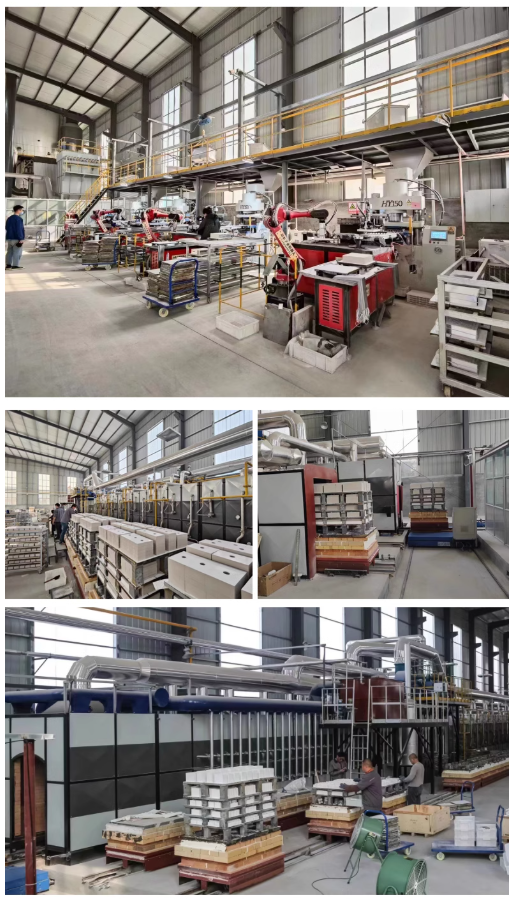
Tanki New Materials Co.Ltd. focus on the research and development, production and sales of ceramic products, serving the electronics, ceramics, chemical and other industries. Since its establishment in 2015, the company has been committed to providing customers with the best products and services, and has become a leader in the industry through continuous technological innovation and strict quality management.
Our products includes but not limited to Aerogel, Aluminum Nitride, Aluminum Oxide, Boron Carbide, Boron Nitride, Ceramic Crucible, Ceramic Fiber, Quartz Product, Refractory Material, Silicon Carbide, Silicon Nitride, ect. please feel free to contact us.
Payment Methods
T/T, Western Union, Paypal, Credit Card etc.
Shipment Methods
By air, by sea, by express, as customers request.
5 FAQs of High Temperature Refractory Alumina Ceramic Lined Pipe/Elbow
What is a high temperature refractory alumina ceramic lined pipe or elbow? This product features a steel pipe with a bonded layer of alumina ceramic inside. The ceramic lining provides exceptional wear resistance. This extends the product life significantly compared to regular steel pipes.
Why choose alumina ceramic lined pipe over regular steel pipe? Regular steel pipes wear out quickly handling abrasive materials. Alumina ceramic is much harder. It resists abrasion far better. This means less downtime for replacements. It saves money long term.
What temperatures can this lined pipe handle? The alumina ceramic lining performs well in high heat. It reliably handles continuous service up to 1800°F (982°C). Some specific formulations might handle even higher temperatures. Always check the manufacturer’s specifications for exact limits.
Where are these pipes typically used? These pipes are ideal for tough industrial jobs. You find them in power plants moving fly ash. They are common in mining for ore slurries. They are used in cement plants transporting raw materials. Anywhere abrasive flow wears out steel pipes fast, this lined pipe is a strong option.
How is installation different from standard pipe? Installation is similar to standard steel pipe. You can cut it. You can weld it. But you must protect the ceramic liner during handling. Avoid heavy impacts directly on the liner. Support the pipe properly. Use compatible gaskets and fittings designed for lined systems. Follow the supplier’s installation guide carefully.
REQUEST A QUOTE
RELATED PRODUCTS
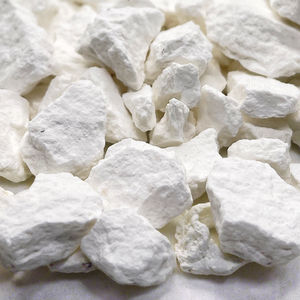
Refractory Material Fire Clay Brick SK30 SK32 SK34 Yellow Alumina Fire Resistant Clay Brick Kiln
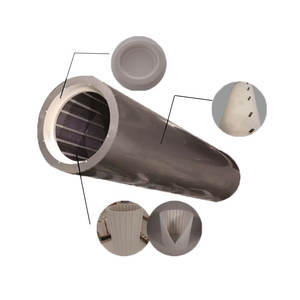
High Purity Industrial Refractory 95 Alumina Ceramics Roller
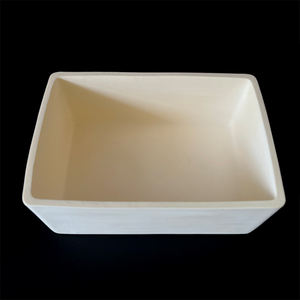
Refractory Mullite / Cordierite Ceramic Component For Heating
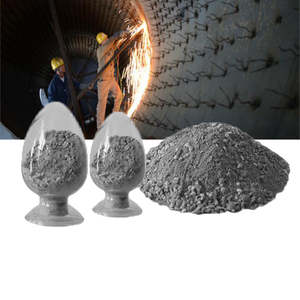
High Alumina Brick Grade 2 60-75% Al2O3 Fire Resistant Thermal Shock Bricks Blast Refractory for Cement Kiln Lining Cutting
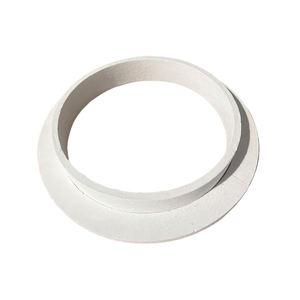
High Temperature Alumina Refractory Brick Curved Fire Bricks Tapered Skewed Arc Fire Clay Brick for Oven Kiln