Professional industry ceramic supplier, silicon nitride, silicon carbide, aluminum nitride and any other kinds of ceramics.

PRODUCT PARAMETERS
Description
Overview of Refractory Ceramic Sagger For Kiln Furniture
Refractory Ceramic Sagger For Kiln Furniture are non-metallic substances designed to withstand extreme temperatures exceeding 1,000°C, along with harsh chemical and physical stresses. They are essential for the inner linings of industrial furnaces, kilns, reactors, and incinerators, providing critical thermal insulation and structural integrity in processes ranging from metal and glass manufacturing to power generation.
Features of Refractory Ceramic Sagger For Kiln Furniture
-
High-Temperature Resistance: Maintain structural strength and stability at temperatures often exceeding 1500°C.
-
Excellent Thermal Shock Resistance: Withstand rapid heating and cooling cycles without cracking or spalling.
-
Chemical Inertness: Resist corrosion and degradation from slags, molten metals, and acidic or basic environments.
-
High Mechanical Strength: Possess considerable load-bearing capacity at operating temperatures.
-
Low Thermal Conductivity: Provide effective insulation to improve energy efficiency and protect furnace structures.
-
Abrasion Resistance: Withstand erosion from solid materials and gas flows.
Specification of Refractory Ceramic Sagger For Kiln Furniture
Refractory ceramic saggers are vital kiln furniture components. They hold and protect valuable items during high-temperature firing. Saggers shield sensitive ceramics or metals from direct flame contact. They also prevent contamination from kiln atmosphere or debris. Saggers handle extreme heat and heavy loads inside the kiln. They need to be incredibly tough and durable.
These saggers are made from special heat-resistant ceramic materials. Common materials include alumina, cordierite, or silicon carbide. The exact material choice depends on the firing temperature and atmosphere. Saggers must resist thermal shock very well. They face rapid temperature changes when loading or unloading the kiln. Good thermal shock resistance prevents cracking and breakage. Saggers also need high refractoriness. This means they keep their strength even at very high temperatures. They must not soften or deform under the heat load.
Chemical stability is another critical feature. Saggers shouldn’t react with the kiln gases or the items being fired. Any reaction could ruin the fired product or damage the sagger itself. Good dimensional stability is essential too. Saggers must hold their precise shape cycle after cycle. Warping or shrinking causes problems stacking them inside the kiln. It can also affect the quality of the fired contents. Saggers come in many standard shapes and sizes. They can also be custom-made for specific applications. Their design allows for efficient stacking to maximize kiln space.
Using the right sagger improves firing results. It protects valuable materials and reduces losses. A good sagger lasts through many firing cycles. This saves money on replacements. Choosing the correct sagger material and design is important. It ensures reliable performance and protects your investment.
Applications of Refractory Ceramic Sagger For Kiln Furniture
Refractory ceramic saggers are vital kiln furniture components. They handle tough firing jobs. These containers hold materials during high heat processes. They protect valuable contents. Saggers endure extreme temperatures repeatedly. They resist cracking or breaking. This strength comes from special ceramic materials. Kilns need reliable support inside. Saggers provide that stable foundation.
Saggers are strong. They carry heavy loads without bending. High heat doesn’t warp them easily. They also resist sudden temperature changes well. This thermal shock resistance is crucial. Workers unload kilns hot sometimes. Saggers won’t shatter from the rapid cool down. They last through many firing cycles. This saves money over time.
Ceramics factories use saggers daily. They hold pottery and tiles for firing. Saggers keep glazes from sticking to kiln shelves. They protect delicate pieces during firing. Metal processing plants rely on them too. Saggers contain parts during heat treatments. Chemical makers use them for calcining powders. Saggers hold powders securely at high temperatures.
Saggers come in many sizes and shapes. They fit different kiln types and products. Some saggers have lids for extra protection. Others are open-top designs. They are made from various refractory materials. Alumina is common. It offers great heat resistance. Silica carbide is another strong option. It handles very high temperatures well.
Saggers are essential for industrial kilns. They make firing processes efficient and safe. Factories depend on their durability. They support production every day. Workers trust them to perform. Firing ceramics requires reliable tools. Saggers deliver that reliability consistently.

Company Profile
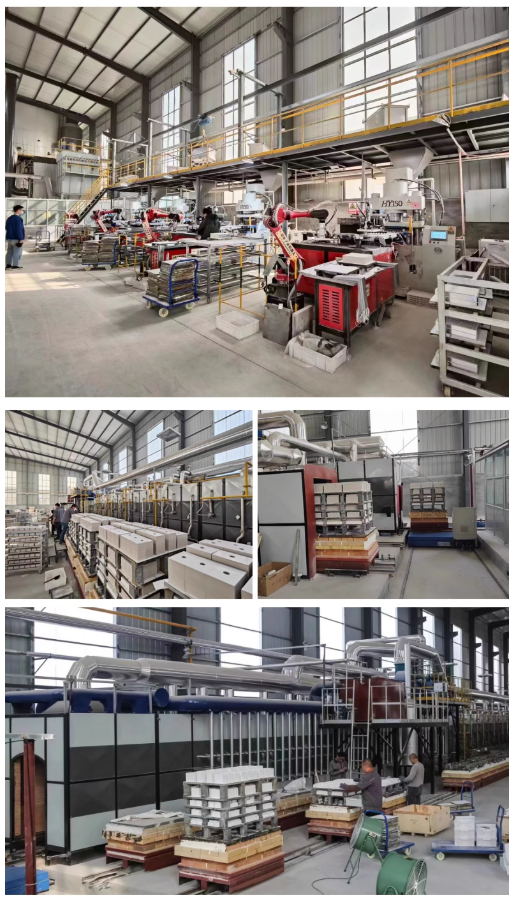
Tanki New Materials Co.Ltd. focus on the research and development, production and sales of ceramic products, serving the electronics, ceramics, chemical and other industries. Since its establishment in 2015, the company has been committed to providing customers with the best products and services, and has become a leader in the industry through continuous technological innovation and strict quality management.
Our products includes but not limited to Aerogel, Aluminum Nitride, Aluminum Oxide, Boron Carbide, Boron Nitride, Ceramic Crucible, Ceramic Fiber, Quartz Product, Refractory Material, Silicon Carbide, Silicon Nitride, ect. please feel free to contact us.
Payment Methods
T/T, Western Union, Paypal, Credit Card etc.
Shipment Methods
By air, by sea, by express, as customers request.
5 FAQs of Refractory Ceramic Sagger For Kiln Furniture
People often ask about our refractory ceramic saggers. These hold pottery pieces during firing in kilns. They protect the work from direct flame and debris.
What is the main job of a refractory ceramic sagger? Its job is to hold ceramic items inside a kiln. This shields them during firing. Saggers keep pieces safe and clean at high heat.
How long will a refractory sagger last? It depends on the kiln temperature and how much you use it. With normal use, a good sagger lasts for many firings. Expect dozens of cycles. They gradually wear down over time.
What is the highest temperature these saggers can take? Our saggers handle very high heat. They are made for stoneware and porcelain firings. They work well up to about 1300 degrees Celsius. Always check the specific rating for your sagger type.
Why won’t the sagger damage my pottery? Saggers are made from special clay. This clay is very pure. It doesn’t release gases or chemicals that stain. Your pottery stays its true color.
Can I clean a sagger after firing? Yes, you can clean them. Brush off loose debris after each firing. Avoid harsh chemicals. Water is usually fine for wiping them down. Let them dry completely before reuse.
REQUEST A QUOTE
RELATED PRODUCTS
High-Purity Silicon Carbide Powder for Advanced Ceramic and Refractory Applications
Cenospheres Fly Ash For Ceramic Composites Battery Electrodes Thermal Energy Storage Polymer Additives-Premium Refractory
Refractories Material Aluminum Oxide Tabular Tabular Calcined Corundum Powder ≥99.5% Tabular Alumina Powder In Refractory

High Quality Alumina Bubble Refractory Brick 1800C Alumina Hollow Ball Insulating Brick For Ceramic Furnace
High-Temperature Resistant White Zirconia Ceramic Solid Rod Customized Shaft Processing for Refractory Applications