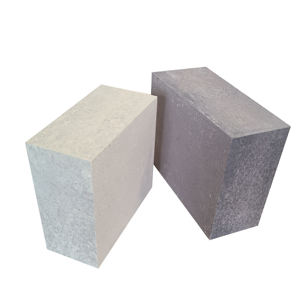
Professional industry ceramic supplier, silicon nitride, silicon carbide, aluminum nitride and any other kinds of ceramics.

PRODUCT PARAMETERS
Description
Overview of Refractory Ceramics Saggar Al2O3 Mullite Pillar Material SiO2 Electric Melting Mullite
Refractory Ceramics Saggar Al2O3 Mullite Pillar Material SiO2 Electric Melting Mullite are non-metallic substances designed to withstand extreme temperatures exceeding 1,000°C, along with harsh chemical and physical stresses. They are essential for the inner linings of industrial furnaces, kilns, reactors, and incinerators, providing critical thermal insulation and structural integrity in processes ranging from metal and glass manufacturing to power generation.
Features of Refractory Ceramics Saggar Al2O3 Mullite Pillar Material SiO2 Electric Melting Mullite
-
High-Temperature Resistance: Maintain structural strength and stability at temperatures often exceeding 1500°C.
-
Excellent Thermal Shock Resistance: Withstand rapid heating and cooling cycles without cracking or spalling.
-
Chemical Inertness: Resist corrosion and degradation from slags, molten metals, and acidic or basic environments.
-
High Mechanical Strength: Possess considerable load-bearing capacity at operating temperatures.
-
Low Thermal Conductivity: Provide effective insulation to improve energy efficiency and protect furnace structures.
-
Abrasion Resistance: Withstand erosion from solid materials and gas flows.
Specification of Refractory Ceramics Saggar Al2O3 Mullite Pillar Material SiO2 Electric Melting Mullite
This refractory ceramic material targets demanding high-temperature environments. It features Al2O3 Mullite Pillar Material. This component delivers crucial structural strength. The material also incorporates SiO2 Electric Melting Mullite. This ensures excellent thermal stability. The combination creates a robust product. It withstands extreme heat effectively.
Chemical composition is vital. High-purity Alumina (Al2O3) is key. It forms the primary base. Significant Mullite (3Al2O3·2SiO2) content enhances performance. This boosts resistance to thermal shock. Silica (SiO2) levels are carefully balanced. This balance optimizes the material’s melting point. Low impurity levels are guaranteed. This prevents unwanted reactions at high temperatures.
Physical properties are impressive. The material boasts a high refractoriness. It performs reliably above 1700°C. Excellent thermal shock resistance is a major benefit. This means rapid temperature changes cause minimal damage. Good creep resistance is another plus. The material maintains shape under heavy loads and heat. High mechanical strength adds to its durability. It handles physical stresses well.
Key applications include kiln furniture. Saggers are a primary use. These protective containers shield products during firing. Setter plates also benefit. Pillars and support structures rely on this material. It provides stability inside kilns. Furnace linings utilize it too. The material suits various industrial heating processes. Ceramics manufacturing, metal heat treatment, and glass production are common sectors. Long service life reduces replacement frequency. This cuts downtime and operational costs. Consistent performance ensures reliable results batch after batch. Users value its dependable nature in tough conditions.
Applications of Refractory Ceramics Saggar Al2O3 Mullite Pillar Material SiO2 Electric Melting Mullite
Refractory ceramics handle extreme heat. Saggar Al2O3 Mullite Pillar Material is one such ceramic. It’s strong at high temperatures. It resists chemical attack well. It doesn’t change size much when heated or cooled. This makes it perfect for kiln furniture. Kiln furniture supports items during firing. These pillars hold things inside kilns. They see intense heat repeatedly. They need to last many cycles. This material excels in ceramic production kilns. It supports delicate porcelain pieces safely. It supports technical ceramics needing precise conditions. The pillars provide stable support. They prevent warping or damage to the goods. They are vital for efficient kiln operation. They help maintain consistent quality.
SiO2 Electric Melting Mullite is another key refractory. It forms through melting raw materials. This process creates a very pure product. It has excellent high-temperature strength. It offers superb resistance to corrosion. It performs well under thermal shock. This mullite type is ideal for harsh environments. It lines furnaces for melting glass. Glass melts at very high temperatures. The lining must withstand this heat daily. It must resist chemical erosion from the molten glass. It is used in metal processing furnaces too. Molten metals are highly corrosive. The furnace lining needs strong protection. This mullite provides that protection reliably. It is also found in cement kilns. Cement production involves intense heat cycles. The material handles these conditions effectively. It ensures long furnace lining life. This reduces downtime for repairs. Both materials are essential for industrial heat processes. They enable safe and efficient high-temperature operations.
Company Profile
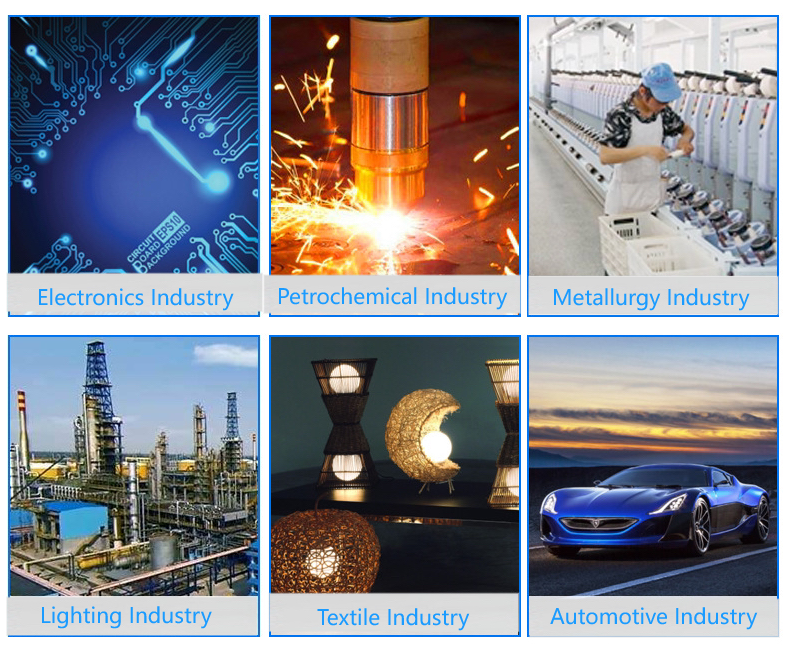
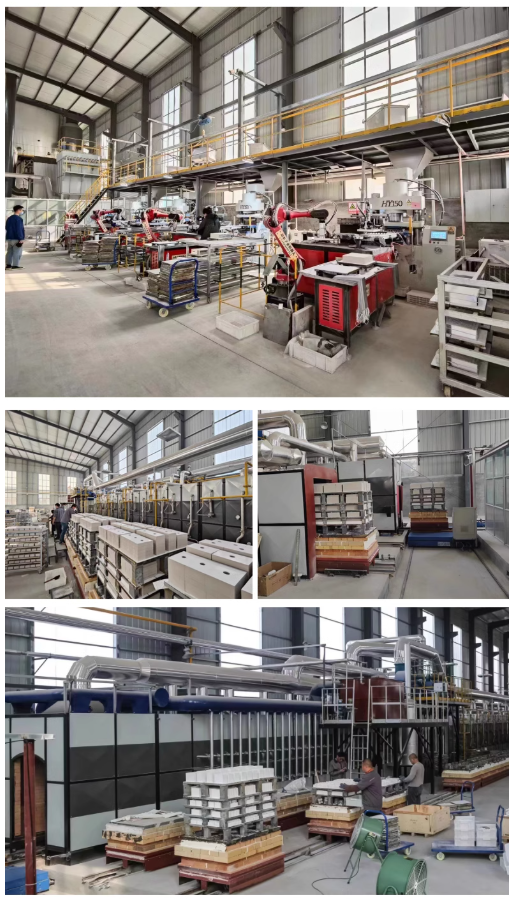
Tanki New Materials Co.Ltd. focus on the research and development, production and sales of ceramic products, serving the electronics, ceramics, chemical and other industries. Since its establishment in 2015, the company has been committed to providing customers with the best products and services, and has become a leader in the industry through continuous technological innovation and strict quality management.
Our products includes but not limited to Aerogel, Aluminum Nitride, Aluminum Oxide, Boron Carbide, Boron Nitride, Ceramic Crucible, Ceramic Fiber, Quartz Product, Refractory Material, Silicon Carbide, Silicon Nitride, ect. please feel free to contact us.
Payment Methods
T/T, Western Union, Paypal, Credit Card etc.
Shipment Methods
By air, by sea, by express, as customers request.
5 FAQs of Refractory Ceramics Saggar Al2O3 Mullite Pillar Material SiO2 Electric Melting Mullite
What are these saggar materials made of?
These materials are mainly Al2O3 (alumina) and SiO2 (silica). They form mullite crystals. Mullite is very strong. It handles heat well. Electric melting makes the mullite pure. This purity improves performance. It makes the material tougher.
Why use these materials for saggar pillars?
Saggar pillars hold things inside kilns. Kilns get extremely hot. These materials resist that heat. They don’t bend or break easily. This keeps the kiln load stable. Stable loads mean better products. They also resist chemical damage from fumes.
How hot can they get before failing?
These materials handle very high temperatures. They work well above 1500°C (2732°F). Some grades go much higher. The exact limit depends on the mix. More Al2O3 often means better heat resistance. Electric melted mullite is especially stable. It doesn’t slump.
What affects their lifespan?
Lifespan depends on use. Temperature cycles matter a lot. Fast heating and cooling cause stress. Chemical exposure wears them down. Physical bumps or drops can chip them. Proper handling helps. Good kiln operation helps too. Using them within their limits extends life.
What are the key advantages?
Long service life saves money. Less downtime for changes. High heat stability protects products. Good strength prevents collapses. Resistance to chemicals keeps them clean. They offer reliable performance. This reliability is important for consistent production.
REQUEST A QUOTE
RELATED PRODUCTS
Refractory Heat Resistance High 95% 99% Porous Hollow Al2o3 Alumina Ceramic Tube/rod
Customized Graphite Crucible Quartz Composed Refractory Material Gold Silver Smelting Melting Applications
Supply Insulation Cotton Refractory Materials Refractory Ceramic Fiber Module
Top Grade High Alumina Low Cement Castables Acid & Alkali Resistant Refractory Cement Custom Cutting Processing Service
Aluminium Silicate Ceramic Fiber Heating Fireplace Insulation Board 1260C Fireproof Flexible Thermal Material For Refractory