Professional industry ceramic supplier, silicon nitride, silicon carbide, aluminum nitride and any other kinds of ceramics.

PRODUCT PARAMETERS
Description
Overview of Refractory Cordierite Mullite Ceramic Plate Insulating Material
Refractory Cordierite Mullite Ceramic Plate Insulating Material are non-metallic substances designed to withstand extreme temperatures exceeding 1,000°C, along with harsh chemical and physical stresses. They are essential for the inner linings of industrial furnaces, kilns, reactors, and incinerators, providing critical thermal insulation and structural integrity in processes ranging from metal and glass manufacturing to power generation.
Features of Refractory Cordierite Mullite Ceramic Plate Insulating Material
-
High-Temperature Resistance: Maintain structural strength and stability at temperatures often exceeding 1500°C.
-
Excellent Thermal Shock Resistance: Withstand rapid heating and cooling cycles without cracking or spalling.
-
Chemical Inertness: Resist corrosion and degradation from slags, molten metals, and acidic or basic environments.
-
High Mechanical Strength: Possess considerable load-bearing capacity at operating temperatures.
-
Low Thermal Conductivity: Provide effective insulation to improve energy efficiency and protect furnace structures.
-
Abrasion Resistance: Withstand erosion from solid materials and gas flows.
Specification of Refractory Cordierite Mullite Ceramic Plate Insulating Material
This refractory cordierite mullite ceramic plate is a special insulating material. It handles high temperatures very well. It can withstand continuous use up to about 1500 degrees Celsius. It also manages sudden temperature changes effectively. This is called good thermal shock resistance. The plate keeps heat from moving through it easily. This low thermal conductivity saves energy. It helps maintain stable temperatures inside furnaces. The material is quite strong. It has good mechanical strength. It resists wear and tear over time. This plate is dense and long-lasting. It offers excellent chemical stability. It does not react easily with other substances. This is important in harsh industrial settings. It resists attack from acids and bases. It also handles corrosive gases well. These properties make it very reliable. It performs consistently under tough conditions. The ceramic plate is lightweight for its strength. This makes installation easier. It helps reduce the load on furnace structures. You will find this material used in kilns. It is common in furnaces for heat treatment. It works well in ceramic firing applications. It serves as excellent furnace lining. It makes great baffles and setters. It supports ware during firing. It helps separate different temperature zones. This cordierite mullite plate lowers heat loss. It improves overall furnace efficiency. It helps reduce fuel consumption. This leads to cost savings. Its durability means less frequent replacement. This cuts down on maintenance costs. It provides stable insulation performance. It contributes to consistent product quality.
Applications of Refractory Cordierite Mullite Ceramic Plate Insulating Material
This ceramic plate material combines cordierite and mullite. It offers strong heat resistance and good insulating properties. Industries needing durable heat barriers often choose it. It handles very high temperatures well. This makes it suitable for tough furnace environments. The plate resists sudden temperature changes effectively. It won’t crack easily when heated or cooled quickly. This thermal shock resistance is a major advantage. Its low thermal conductivity is another key feature. Heat doesn’t pass through it easily. This keeps heat where it’s needed. Energy efficiency improves as a result. Fuel costs can be reduced significantly. The material is chemically stable too. It doesn’t react badly with most substances. Harsh gases or molten materials won’t damage it easily. This stability extends its working life considerably. Maintenance needs decrease over time. You see it used in kiln linings often. It protects the outer structure from intense heat. Furnace baffles and heat shields rely on it. These parts direct heat flow efficiently. It supports heating elements securely. Crucible stands benefit from its insulating power. Foundries use it near molten metal. The plate separates hot zones safely. Thermal processing equipment integrates it widely. It serves reliably in high-heat zones. Its strength and longevity are proven. Downtime is minimized for users. Production runs smoother with less interruption. The material offers a solid solution for insulation challenges.

Company Profile
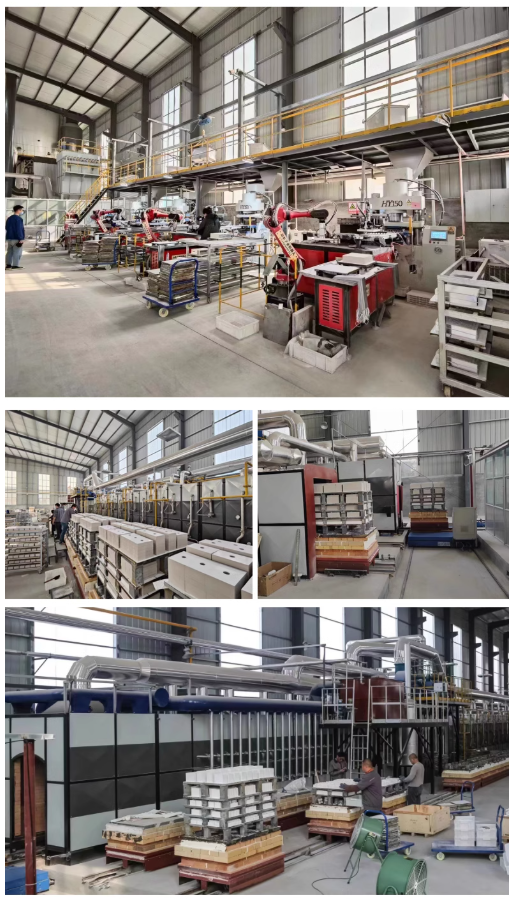
Tanki New Materials Co.Ltd. focus on the research and development, production and sales of ceramic products, serving the electronics, ceramics, chemical and other industries. Since its establishment in 2015, the company has been committed to providing customers with the best products and services, and has become a leader in the industry through continuous technological innovation and strict quality management.
Our products includes but not limited to Aerogel, Aluminum Nitride, Aluminum Oxide, Boron Carbide, Boron Nitride, Ceramic Crucible, Ceramic Fiber, Quartz Product, Refractory Material, Silicon Carbide, Silicon Nitride, ect. please feel free to contact us.
Payment Methods
T/T, Western Union, Paypal, Credit Card etc.
Shipment Methods
By air, by sea, by express, as customers request.
5 FAQs of Refractory Cordierite Mullite Ceramic Plate Insulating Material
What exactly is cordierite mullite ceramic?
It’s a special type of ceramic plate. It’s made from minerals called cordierite and mullite. These minerals give the plate excellent heat resistance. It also provides good insulation properties. This means it doesn’t let heat pass through easily.
Why choose this plate over other insulating materials?
This plate handles very high temperatures well. It doesn’t crack easily under heat stress. Other materials might break down faster. It also resists chemical corrosion. This makes it reliable in tough environments like furnaces.
Where is this ceramic plate typically used?
You find it in high-temperature industrial settings. Common applications include kilns and furnaces. It’s used as shelf plates or linings. It’s also used in heat treatment equipment. Its job is to separate hot zones and protect cooler areas.
How hot can this plate get before it fails?
The plate works reliably up to about 1400 degrees Celsius. Pushing it beyond this limit risks damage. The exact safe temperature depends on the specific product grade. Always check the manufacturer’s specifications for your plate.
Is this plate fragile? Will it break easily?
It’s a ceramic, so it’s naturally brittle. Handle it carefully during installation. Avoid dropping it or hitting it hard. Once installed correctly, it performs well. It withstands repeated heating and cooling cycles.
REQUEST A QUOTE
RELATED PRODUCTS
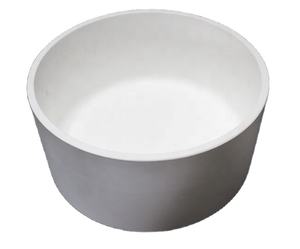
High Alumina Refractory Brick Industrial Fire Bricks with Welding and Cutting Services Competitive
Refractory Custom Alumina Ceramic Crucible Sagger Tray For High Temperature Furnace
High Quality 1260 Degree Refractory Insulation Ceramic Fiber Board for Various Kiln Industries
Aluminium Silicate Ceramic Fiber Heating Fireplace Insulation Board 1260C Fireproof Flexible Thermal Material For Refractory
High Temperature Refractory Alumina Ceramic Lined Pipe/Elbow