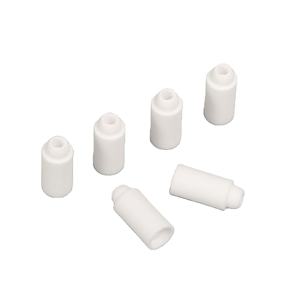
Professional industry ceramic supplier, silicon nitride, silicon carbide, aluminum nitride and any other kinds of ceramics.

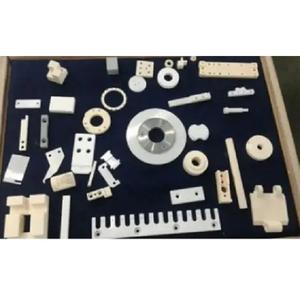
PRODUCT PARAMETERS
Description
Overview of Refractory Mullite Ceramic Pipe Ceramic Tube
Refractory Mullite Ceramic Pipe Ceramic Tube are non-metallic substances designed to withstand extreme temperatures exceeding 1,000°C, along with harsh chemical and physical stresses. They are essential for the inner linings of industrial furnaces, kilns, reactors, and incinerators, providing critical thermal insulation and structural integrity in processes ranging from metal and glass manufacturing to power generation.
Features of Refractory Mullite Ceramic Pipe Ceramic Tube
-
High-Temperature Resistance: Maintain structural strength and stability at temperatures often exceeding 1500°C.
-
Excellent Thermal Shock Resistance: Withstand rapid heating and cooling cycles without cracking or spalling.
-
Chemical Inertness: Resist corrosion and degradation from slags, molten metals, and acidic or basic environments.
-
High Mechanical Strength: Possess considerable load-bearing capacity at operating temperatures.
-
Low Thermal Conductivity: Provide effective insulation to improve energy efficiency and protect furnace structures.
-
Abrasion Resistance: Withstand erosion from solid materials and gas flows.
Specification of Refractory Mullite Ceramic Pipe Ceramic Tube
Refractory mullite ceramic pipes and tubes are constructed for severe warm. They are made primarily from mullite, a special material developed from alumina and silica. This provides wonderful resistance to extremely high temperatures. They deal with warm up to 1700 ° C and even 1800 ° C continually. This makes them ideal for areas requiring strong warm defense.
These ceramic pipes have reduced thermal growth. This means they do not increase or diminish a lot when the temperature level changes fast. This helps protect against splits and damages. They also stand up to thermal shock well. Unexpected temperature level shifts are much less most likely to break them.
The pipes are very solid mechanically. They maintain their shape and toughness also under heavy tons at heats. They have great chemical security as well. They stand up to attack from several acids, bases, and slags. This makes them reliable in harsh chemical setups.
We make these pipes using extrusion or isostatic pressing. These techniques develop thick, dependable products. We can create pipelines in various sizes. Usual outdoors sizes vary from 10mm to 300mm or larger. Wall surface thicknesses vary based upon the application needs. Sizes are commonly customized.
These pipelines are commonly utilized in high-temperature markets. You locate them in kilns and heating systems. They function well as thermocouple security tubes. They function as heater nozzles and warm exchanger tubes. They are made use of in metallurgy, ceramics, glass, and chemical processing. Their primary benefits are long service life, reduced maintenance, and dependable efficiency under heat stress and anxiety.
Applications of Refractory Mullite Ceramic Pipe Ceramic Tube
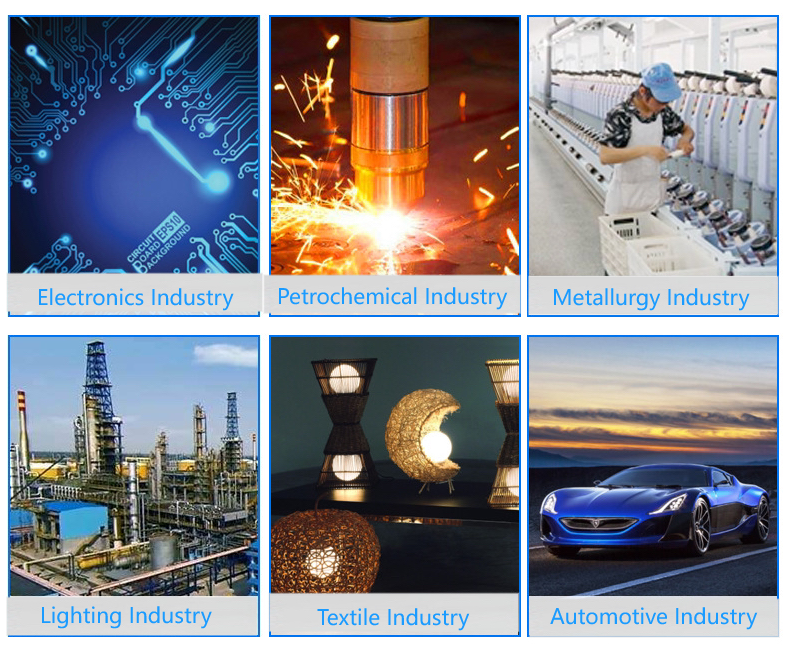
Refractory mullite ceramic pipes and tubes are essential sought after high-temperature industrial settings. Mullite ceramic deals outstanding resistance to heat and thermal shock. This makes these pipelines and tubes perfect for dealing with severe conditions. They are widely made use of throughout various markets. In the steel sector, they function as protective sleeves for thermocouples. These tubes gauge molten steel temperature levels precisely inside heating systems and ladles. They hold up against straight call with hot metal and slag. The chemical industry depends on them too. They deliver corrosive chemicals and gases securely at raised temperature levels. Their resistance to chemical attack avoids contamination and failure. Kilns and furnaces make use of these ceramic tubes as support structures and protective linings. They secure delicate parts from intense convected heat. Energy production plants locate them valuable. They function as shielding sleeves for burner and heater components. This makes certain efficient heat transfer and part long life. Mullite ceramic tubes are additionally important in laboratory setups. They form crucibles and example holders for high-temperature experiments and material testing. Their stability stops reactions with test products. These ceramic pipes take care of warm gases successfully. They function as exhaust manifolds and transfer lines in systems involving burning. Their reduced thermal conductivity minimizes heat loss. Semiconductor producing employs them. They belong to diffusion tubes and wafer boats within handling heaters. They preserve pureness criteria critical for chip production. Their durability minimizes upkeep requirements dramatically. They provide reputable, lasting performance under constant thermal anxiety.
Company Profile
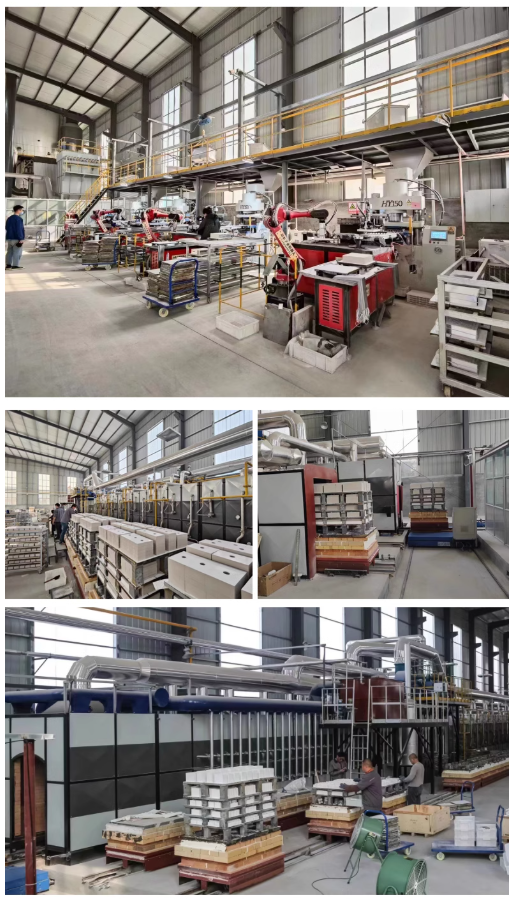
Tanki New Materials Co.Ltd. focus on the research and development, production and sales of ceramic products, serving the electronics, ceramics, chemical and other industries. Since its establishment in 2015, the company has been committed to providing customers with the best products and services, and has become a leader in the industry through continuous technological innovation and strict quality management.
Our products includes but not limited to Aerogel, Aluminum Nitride, Aluminum Oxide, Boron Carbide, Boron Nitride, Ceramic Crucible, Ceramic Fiber, Quartz Product, Refractory Material, Silicon Carbide, Silicon Nitride, ect. please feel free to contact us.
Payment Methods
T/T, Western Union, Paypal, Credit Card etc.
Shipment Methods
By air, by sea, by express, as customers request.
5 FAQs of Refractory Mullite Ceramic Pipe Ceramic Tube
People often ask what mullite ceramic pipes and tubes are. They are special pipes made mostly from mullite, a strong mineral. This mineral helps the pipes handle very high temperatures without breaking.
Another common question is about how hot these pipes can get. They are made for extreme heat. They keep their shape and strength even above 1500 degrees Celsius. This makes them perfect for very hot places like furnaces or kilns.
People also wonder how strong these pipes are. They are very strong. They resist breaking under pressure or sudden temperature changes. This strength means they last a long time in tough conditions.
Many ask if these pipes react with chemicals. They are very stable. Most acids or bases do not harm them. This makes them safe for many industrial processes involving harsh chemicals.
The last question is usually about where to use these pipes. They are used in industries needing heat resistance. Examples include metal processing, glass making, and power plants. They carry hot gases or protect sensitive parts. They need careful handling during installation. This avoids cracks or damage.
REQUEST A QUOTE
RELATED PRODUCTS
Advanced SiC Advanced Refractory Ceramic Silicon Carbide Plate Kiln Frame
Long-Service-Life Thermal Shock Resistant Cordierite Ceramic Parts For Industrial Refractory Applications
Silicon Carbide Refractory Panel Silicon Carbide Refractory Brick Panel As Kiln Shelves
High Alumina Brick Grade 2 60-75% Al2O3 Fire Resistant Thermal Shock Bricks Blast Refractory for Cement Kiln Lining Cutting
Grinding Milling Refractory Al2O3 Ceramic Burner Roundel Disc