Professional industry ceramic supplier, silicon nitride, silicon carbide, aluminum nitride and any other kinds of ceramics.

PRODUCT PARAMETERS
Description
Overview of White Fused Alumina Refractory Sand 8-5-3-1# Has The Lowest
White Fused Alumina Refractory Sand 8-5-3-1# Has The Lowest are non-metallic substances designed to withstand extreme temperatures exceeding 1,000°C, along with harsh chemical and physical stresses. They are essential for the inner linings of industrial furnaces, kilns, reactors, and incinerators, providing critical thermal insulation and structural integrity in processes ranging from metal and glass manufacturing to power generation.
Features of White Fused Alumina Refractory Sand 8-5-3-1# Has The Lowest
-
High-Temperature Resistance: Maintain structural strength and stability at temperatures often exceeding 1500°C.
-
Excellent Thermal Shock Resistance: Withstand rapid heating and cooling cycles without cracking or spalling.
-
Chemical Inertness: Resist corrosion and degradation from slags, molten metals, and acidic or basic environments.
-
High Mechanical Strength: Possess considerable load-bearing capacity at operating temperatures.
-
Low Thermal Conductivity: Provide effective insulation to improve energy efficiency and protect furnace structures.
-
Abrasion Resistance: Withstand erosion from solid materials and gas flows.
Specification of White Fused Alumina Refractory Sand 8-5-3-1# Has The Lowest
White Fused Alumina Refractory Sand, grade 8-5-3-1#, offers exceptional performance. It boasts the lowest impurity content available. This high purity is crucial for demanding applications. The sand is made by melting pure calcined alumina in electric arc furnaces. This process creates a tough, dense crystalline structure. The material has outstanding hardness. It also shows excellent thermal stability. This makes it resist high temperatures very well. The grain sizes are tightly controlled. The 8-5-3-1# grade provides a specific particle distribution. This ensures optimal packing density. Good packing density improves refractory performance. It enhances strength and durability in linings. This sand is chemically inert. It doesn’t react easily with acids or alkalis. This inertness protects it in corrosive environments. It maintains its properties longer. Users value its consistent quality batch after batch. This reliability is important for industrial processes. The sand is ideal for refractory applications. It works well in furnace linings, kiln furniture, and foundry molds. Its hardness makes it excellent for abrasion-resistant coatings. It helps extend the lifespan of equipment. Using it can reduce maintenance downtime. This saves money over time. White Fused Alumina Sand is versatile. It can be used in bonded and monolithic refractories. Its high purity ensures minimal contamination. This is vital for sensitive processes like glass production. It contributes to producing higher quality end products. The low impurity level directly links to better performance. It supports higher operational temperatures safely. Industries trust this material for critical applications. Its properties make it a top choice for professionals. It delivers reliable results under extreme conditions.
Applications of White Fused Alumina Refractory Sand 8-5-3-1# Has The Lowest
White Fused Alumina Refractory Sand 8-5-3-1# is known for its very low impurity levels. This high purity makes it excellent for demanding industrial uses needing strong, heat-resistant materials. The main applications are in foundry work, refractory products, and abrasive situations.
In foundries, this sand is vital for making molds and cores. It handles intense heat from molten metal well. The low impurity content means fewer defects form in castings. This leads to better quality finished metal parts. Foundries rely on its consistent performance.
It’s also crucial for producing high-grade refractory bricks and castables. These materials line furnaces and kilns. The sand’s purity ensures the refractories can withstand very high temperatures. It also helps them resist chemical attacks from slags or gases. This means furnaces last longer and need less repair.
The steel industry uses this sand extensively. It goes into ladles, tundishes, and blast furnace linings. Its ability to cope with extreme heat and harsh conditions is key. It helps maintain furnace efficiency and safety.
The name “8-5-3-1#” refers to its specific grain sizes. It includes particles from roughly 8 mesh down to 1 mesh. This controlled sizing ensures good packing density and performance in mixes. It offers versatility for different formulation needs.
Its low impurity level directly creates several benefits. It provides outstanding thermal stability. It gives high mechanical strength. It offers excellent resistance to wear and corrosion. This sand endures tough environments better than many alternatives.
Manufactured by fusing pure alumina in electric arc furnaces, it achieves this purity. This process ensures consistent quality batch after batch. Users get reliable material for critical applications. Its properties make it a top choice for industries needing durable, high-temperature solutions.

Company Profile
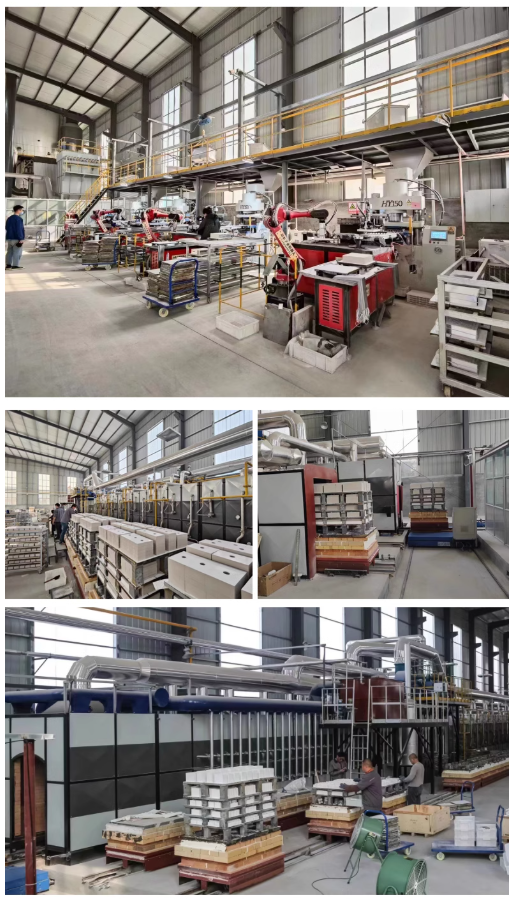
Tanki New Materials Co.Ltd. focus on the research and development, production and sales of ceramic products, serving the electronics, ceramics, chemical and other industries. Since its establishment in 2015, the company has been committed to providing customers with the best products and services, and has become a leader in the industry through continuous technological innovation and strict quality management.
Our products includes but not limited to Aerogel, Aluminum Nitride, Aluminum Oxide, Boron Carbide, Boron Nitride, Ceramic Crucible, Ceramic Fiber, Quartz Product, Refractory Material, Silicon Carbide, Silicon Nitride, ect. please feel free to contact us.
Payment Methods
T/T, Western Union, Paypal, Credit Card etc.
Shipment Methods
By air, by sea, by express, as customers request.
5 FAQs of White Fused Alumina Refractory Sand 8-5-3-1# Has The Lowest
Here are five common questions about White Fused Alumina Refractory Sand 8-5-3-1# Has The Lowest.
What is White Fused Alumina Refractory Sand?
This sand is a synthetic material. It’s made by melting pure alumina sources. The process happens in an electric arc furnace. The result is a very pure white crystalline substance. It gets crushed and sized into grains. The grains are called refractory sand.
What are its main features?
This alumina sand is very hard. It has high strength. It shows excellent resistance to heat. It can withstand very high temperatures without breaking down. It also resists chemical attack well. Its purity means low impurities. The low impurities are crucial for performance. It offers good volume stability under heat.
Where is it typically used?
Its primary use is in making refractory products. These are materials lining high-temperature equipment. Examples are furnace linings and kiln linings. It’s used for foundry molds needing heat resistance. It serves as loose granular refractory. It works as a high-quality abrasive too. It’s common in industries like steel and glass.
Why use it for high-heat applications?
Its melting point is extremely high. This makes it perfect for intense heat. Its structure stays stable even at high temperatures. It doesn’t shrink or expand much with heat changes. This stability prevents cracks in linings. Its purity avoids unwanted reactions. It gives long service life under tough conditions.
What do the numbers 8-5-3-1# mean?
These numbers refer to the grain sizes. They indicate the particle size distribution. The sand comes in different grain sizes. Each number corresponds to a specific size range. The sizes are measured in mesh. The mesh number tells how many openings per inch. This controls how the sand packs together. It affects the product’s density and performance.
REQUEST A QUOTE
RELATED PRODUCTS
99% Porcelain Insulating Tube Porous Ceramic Insulate Pipe Holes Welding/Cutting/Bending Services for Refractory Applications

F240 Al2O3 White Fused Alumina Powder Aluminum Oxide Ceramic Refractory Materials
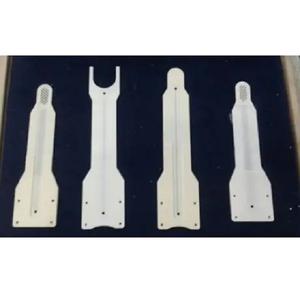
Gas Burner Refractory Cordierite Honeycomb Ceramic Plate for Commercial Infrared Burners
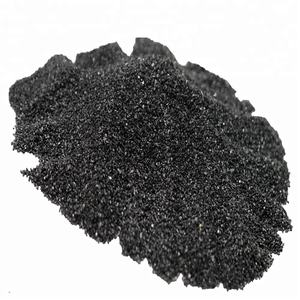
Refractory Sic Silicon Carbide Refractories Carborundum Powder High Purity Silicon Carbide Powder

Cenospheres Fly Ash For Ceramic Composites Battery Electrodes Thermal Energy Storage Polymer Additives-Premium Refractory