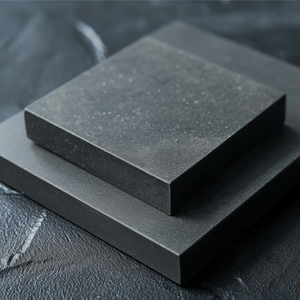
Professional industry ceramic supplier, silicon nitride, silicon carbide, aluminum nitride and any other kinds of ceramics.

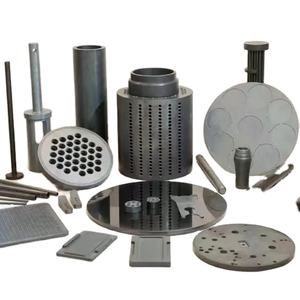
PRODUCT PARAMETERS
Description
Overview of Foam Ceramic Filter Silicon Carbide High Temperature Resistance for Filtration of Molten Metal
Foam Ceramic Filter Silicon Carbide High Temperature Resistance for Filtration of Molten Metal ceramics are a class of ultra-high-performance materials known for their exceptional thermal conductivity, outstanding mechanical properties, and superior chemical stability. They excel in the most demanding environments involving extreme temperatures, wear, and corrosive agents. This combination of properties makes SiC ceramics indispensable for advanced applications in aerospace, energy, automotive, and industrial processing.
Features of Foam Ceramic Filter Silicon Carbide High Temperature Resistance for Filtration of Molten Metal
-
Exceptional Thermal Conductivity: Facilitates excellent heat dissipation, outperforming many metals and most other ceramics.
-
High-Temperature Strength: Maintains remarkable mechanical strength and creep resistance at temperatures up to 1650°C.
-
Superior Wear & Abrasion Resistance: Offers extreme hardness, making it ideal for wear-prone components like seals, nozzles, and liners.
-
Excellent Chemical Inertness: Highly resistant to oxidation and attack by acids, alkalis, and molten metals.
-
High Thermal Shock Resistance: Withstands rapid temperature changes without cracking or degrading.
-
Semiconductor Properties: Used extensively in high-power, high-frequency electronic devices.
Specification of Foam Ceramic Filter Silicon Carbide High Temperature Resistance for Filtration of Molten Metal
Foam ceramic filters made from silicon carbide are special tools for cleansing molten metal. They function when warm fluid steel streams via them. The filter catches undesirable bits like dirt and sand. This makes the steel cleaner and better for casting components. Silicon carbide is a very solid product. It can manage incredibly high warm without breaking down. This is critical since liquified metals are unbelievably hot. These filters stay strong even in light weight aluminum, iron, or steel shops. The open foam structure has great deals of linked pores. Steel moves easily via these little passages. The small holes catch impurities successfully. You get cleaner steel for pouring right into molds. Cleanser steel implies fewer problems in the final cast parts. Problems like holes or cracks happen less frequently. The foundry saves money due to the fact that there’s much less lost metal. These filters are also tough against unexpected temperature level modifications. They won’t fracture quickly when heating up or cooling off. This resilient efficiency is very important. Factories need dependable tools. Silicon carbide foam filters offer this dependability. They are made use of across many metalworking sectors. Their high temperature resistance is essential. They guarantee consistent metal quality set after batch. More powerful, cleaner spreadings result from utilizing these filters.
Applications of Foam Ceramic Filter Silicon Carbide High Temperature Resistance for Filtration of Molten Metal
Foam ceramic filters made from silicon carbide are crucial tools for cleaning molten steel. They handle the extreme heat located in metal casting. This makes them perfect for usage in factories. Molten steel usually has damaging little bits like strong scrap and gases. These contaminations deteriorate the last actors components. Eliminating them is important for good top quality.
Silicon carbide foam filters are built hard. They can take temperatures much greater than molten light weight aluminum or iron. The filter itself looks like a sponge. This open framework captures the scrap as the metal moves with. It quits damaging bits yet lets the clean steel pass. This implies cleaner steel enters into the mold and mildew.
Cleanser steel makes stronger get rid of fewer problems. Castings come out smoother inside and out. You obtain less splits and vulnerable points. This conserves cash by reducing waste and remodel. The filters likewise assist the steel circulation better right into the mold and mildew. This boosts the spreading process overall. It secures costly tools downstream also.
These filters are commonly used in light weight aluminum foundries. They work fantastic for both primary metal and recycled scrap. Iron and steel shops rely upon them as well. They are positioned right in the path of the molten metal circulation. This occurs prior to the metal goes into the mold dental caries. Their high warm resistance ensures they last long enough to do the job right. They do the job efficiently.
Company Profile
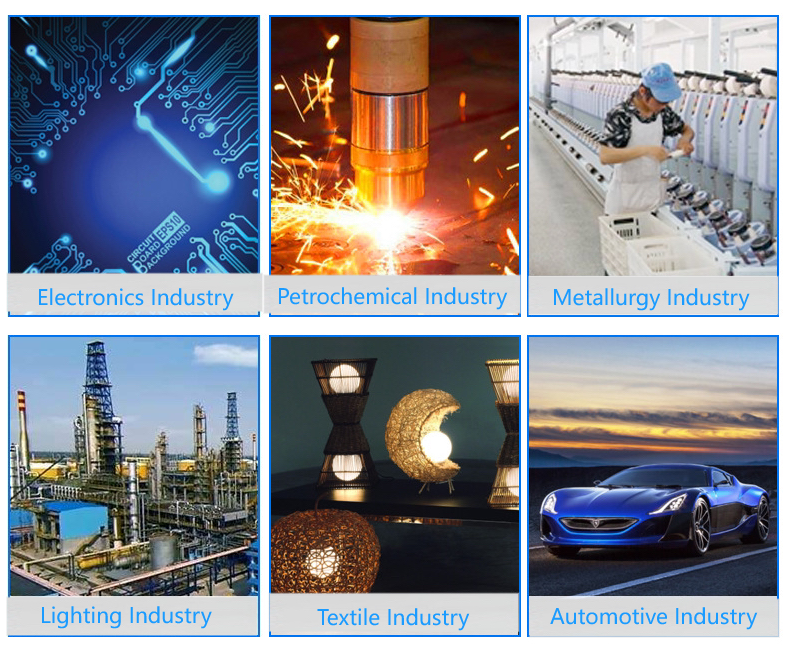
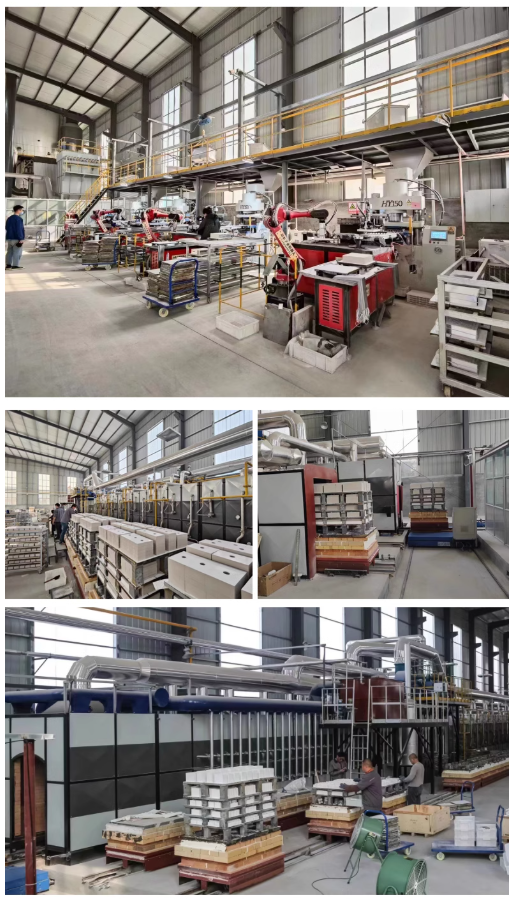
Tanki New Materials Co.Ltd. focus on the research and development, production and sales of ceramic products, serving the electronics, ceramics, chemical and other industries. Since its establishment in 2015, the company has been committed to providing customers with the best products and services, and has become a leader in the industry through continuous technological innovation and strict quality management.
Our products includes but not limited to Aerogel, Aluminum Nitride, Aluminum Oxide, Boron Carbide, Boron Nitride, Ceramic Crucible, Ceramic Fiber, Quartz Product, Refractory Material, Silicon Carbide, Silicon Nitride, ect. please feel free to contact us.
Payment Methods
T/T, Western Union, Paypal, Credit Card etc.
Shipment Methods
By air, by sea, by express, as customers request.
5 FAQs of Foam Ceramic Filter Silicon Carbide High Temperature Resistance for Filtration of Molten Metal
Here are 5 common questions about Foam Ceramic Filters made from Silicon Carbide for filtering molten metal.
What is this filter? It is a sponge-like block made from Silicon Carbide foam ceramic. You place it directly in the metal flow path before casting. Its job is catching unwanted solid bits in the molten metal.
Why use Silicon Carbide? Silicon Carbide is special. It handles incredibly high heat without breaking down. Molten metals are extremely hot. This material stays strong under those conditions. Other materials might melt or crack. Silicon Carbide doesn’t.
How hot can it get? These filters resist temperatures far beyond what molten metals require. They work reliably with aluminum around 700-800°C. They work reliably with iron or steel over 1500°C. The exact limit depends on the specific filter grade. Most handle continuous use above 1600°C. Some special grades go much higher.
What does filtering do? The filter traps tiny solid particles suspended in the liquid metal. This includes bits of oxide skin, sand, or leftover refractory material. Removing these impurities makes the metal cleaner. Cleaner metal means stronger, higher quality cast parts. Fewer defects happen. Less waste metal occurs.
Where is it used? You find these filters used widely in metal foundries. They are common in aluminum casting. They are common in iron foundries. They are common in steel production. Any process pouring clean molten metal into molds benefits. The filter improves the final product quality significantly.
REQUEST A QUOTE
RELATED PRODUCTS
Heat-Resistant Silicon Carbide Ceramic Parts Ceramic Seal Rings
Electrical Technical Customized Insulation Black Silicon Carbide Ceramic
Pressure Free Sintered Silicon Carbide Materials Ceramic Shaft Sleeve Customized Ceramic Product
Ceramic Tubes Furnace Refractory Kiln for Porcelain Kiln Sic Ceramics 1380c Silicon Carbide Kiln Furniture Sic Beams
Temperature Resistance Sisic Very Good Thermal Shock Resistance High Precision Silicon Carbide Ceramics