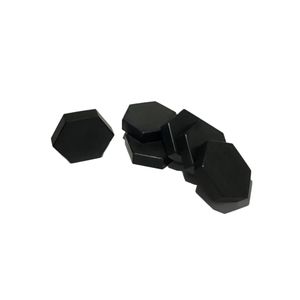
Professional industry ceramic supplier, silicon nitride, silicon carbide, aluminum nitride and any other kinds of ceramics.

PRODUCT PARAMETERS
Description
Overview of Heat-Resistant Sic Ceramic Silicon Carbide Industrial-Grade Sic Ceramics Silicon Carbide Ceramic Parts
Heat-Resistant Sic Ceramic Silicon Carbide Industrial-Grade Sic Ceramics Silicon Carbide Ceramic Parts ceramics are a class of ultra-high-performance materials known for their exceptional thermal conductivity, outstanding mechanical properties, and superior chemical stability. They excel in the most demanding environments involving extreme temperatures, wear, and corrosive agents. This combination of properties makes SiC ceramics indispensable for advanced applications in aerospace, energy, automotive, and industrial processing.
Features of Heat-Resistant Sic Ceramic Silicon Carbide Industrial-Grade Sic Ceramics Silicon Carbide Ceramic Parts
-
Exceptional Thermal Conductivity: Facilitates excellent heat dissipation, outperforming many metals and most other ceramics.
-
High-Temperature Strength: Maintains remarkable mechanical strength and creep resistance at temperatures up to 1650°C.
-
Superior Wear & Abrasion Resistance: Offers extreme hardness, making it ideal for wear-prone components like seals, nozzles, and liners.
-
Excellent Chemical Inertness: Highly resistant to oxidation and attack by acids, alkalis, and molten metals.
-
High Thermal Shock Resistance: Withstands rapid temperature changes without cracking or degrading.
-
Semiconductor Properties: Used extensively in high-power, high-frequency electronic devices.
Specification of Heat-Resistant Sic Ceramic Silicon Carbide Industrial-Grade Sic Ceramics Silicon Carbide Ceramic Parts
Heat-resistant silicon carbide ceramic parts are tough. They handle very high temperatures easily. These ceramics don’t melt easily. They stay strong even when things get hot. Many industries need materials that don’t break down under heat. Silicon carbide ceramics are perfect for this job. They are very hard. They resist wear well. This means parts last longer. You don’t need to replace them as often. That saves money over time.
These ceramics conduct heat well. Heat moves through them quickly. This helps in situations where you need to control temperature. Parts won’t get too hot in one spot. Heat spreads out evenly. They also resist chemical attack. Acids and bases don’t damage them much. This is important in harsh factory environments. Things like chemical plants use these ceramics. Furnaces and kilns use them too. They line hot zones. They protect other equipment.
Silicon carbide ceramics are very stable. They don’t change shape much when heated or cooled. This is called dimensional stability. It’s crucial for precise engineering. Parts must keep their exact size and shape. These ceramics do that. They are lighter than many metals. Yet they are very strong. This combination is useful. They are also electrical conductors. This can be needed in some electrical or heating applications.
You find these parts in many places. They are in furnace parts like burners and plates. They are used as kiln furniture supporting items during firing. They act as heat exchangers transferring heat efficiently. They serve as nozzles and seals where high heat and wear happen. They protect thermocouples measuring temperature accurately. They are vital in metal processing handling molten materials. They are essential in chemical production resisting corrosion. They help in energy systems operating reliably under stress. These ceramics offer a reliable solution for tough, hot jobs.
Applications of Heat-Resistant Sic Ceramic Silicon Carbide Industrial-Grade Sic Ceramics Silicon Carbide Ceramic Parts
Silicon carbide ceramics handle extreme heat very well. They work reliably in harsh conditions. This makes them perfect for many industrial jobs.
These ceramics withstand temperatures over 1600°C. They resist thermal shock effectively. Parts don’t crack easily during quick temperature changes. This stability is critical for demanding applications.
Wear resistance is another big strength. SiC ceramics last much longer than metals in abrasive settings. They reduce downtime and maintenance costs. Industries use them for liners and wear plates.
Chemical stability is excellent. SiC ceramics resist corrosion from acids and alkalis. They perform well in chemical processing equipment. Pumps and valves benefit from this property.
Thermal conductivity is high. Heat spreads quickly through the material. This prevents hot spots. Heat exchangers and burner nozzles often use SiC for this reason.
Kiln furniture uses SiC parts widely. Setter plates and beams support products during firing. They endure repeated high-temperature cycles without failing.
Metal processing needs durable materials. SiC components serve in furnaces and handling systems. They manage molten metals effectively. Thermocouple protection tubes are common examples.
Energy applications exist too. SiC parts work in heat recovery systems. They transfer heat efficiently. This improves overall energy use.
Semiconductor manufacturing requires clean, high-temperature processes. SiC fixtures and carriers handle wafers precisely. They meet strict purity standards.
Company Profile
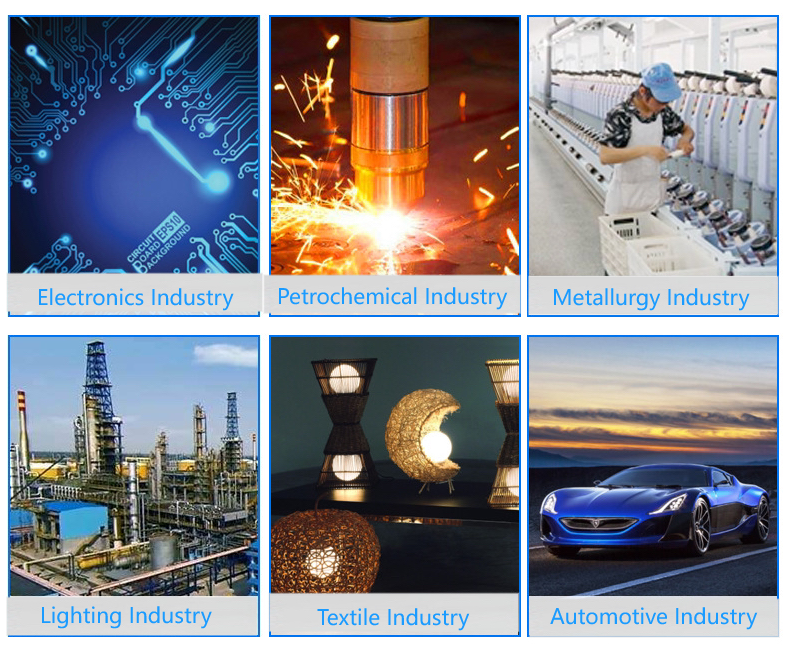
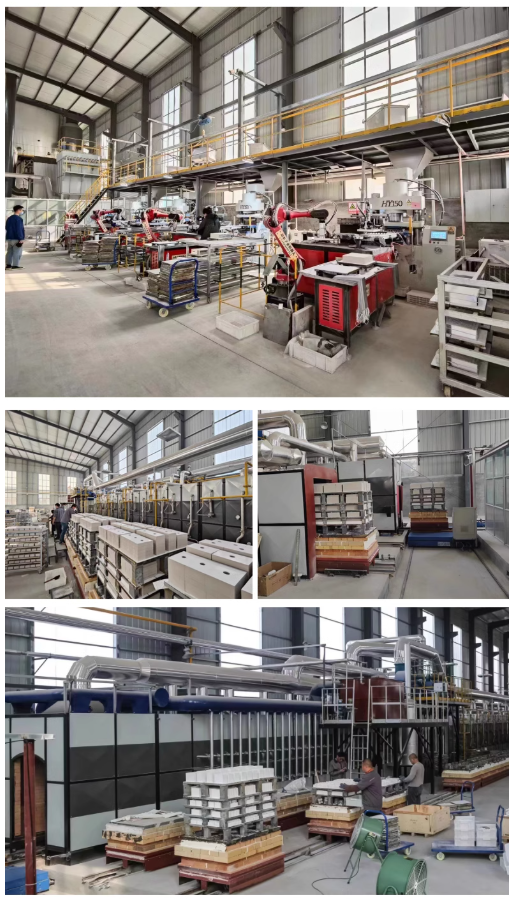
Tanki New Materials Co.Ltd. focus on the research and development, production and sales of ceramic products, serving the electronics, ceramics, chemical and other industries. Since its establishment in 2015, the company has been committed to providing customers with the best products and services, and has become a leader in the industry through continuous technological innovation and strict quality management.
Our products includes but not limited to Aerogel, Aluminum Nitride, Aluminum Oxide, Boron Carbide, Boron Nitride, Ceramic Crucible, Ceramic Fiber, Quartz Product, Refractory Material, Silicon Carbide, Silicon Nitride, ect. please feel free to contact us.
Payment Methods
T/T, Western Union, Paypal, Credit Card etc.
Shipment Methods
By air, by sea, by express, as customers request.
5 FAQs of Heat-Resistant Sic Ceramic Silicon Carbide Industrial-Grade Sic Ceramics Silicon Carbide Ceramic Parts
What makes silicon carbide ceramics special?
Silicon carbide ceramics resist very high temperatures. They stay strong even above 1000°C. These ceramics are extremely hard, almost as hard as diamond. They handle tough chemicals well without breaking down. This makes them perfect for harsh industrial jobs.
How hot can these parts get?
Our industrial SiC parts handle temperatures up to 1600°C in air. They work best long-term below 1380°C. This limit keeps them strong and reliable. Avoid sudden temperature changes. Big shocks might cause cracks.
Can you machine silicon carbide?
Yes, but it’s hard work. You need diamond tools. Grinding or polishing is possible. Diamond bits cut the material precisely. Machining costs more than softer ceramics. It requires special equipment and skill.
How does SiC compare to alumina?
Silicon carbide is stronger than alumina. It handles much higher heat. SiC conducts heat better. It resists wear longer. Alumina costs less. Use SiC for extreme heat, wear, or chemical exposure. Alumina works for less demanding uses.
Why choose silicon carbide parts?
They last much longer in tough conditions. High heat doesn’t break them. Strong chemicals don’t eat them away. They resist wear better than metal. This saves money on replacements and downtime. They perform reliably where other materials fail.
REQUEST A QUOTE
RELATED PRODUCTS
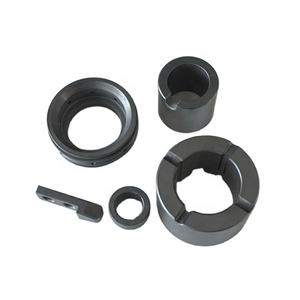
China Factory Supplied Top Quality 2mm-50mm Silicon Carbide Bearing Balls Ceramic Balls
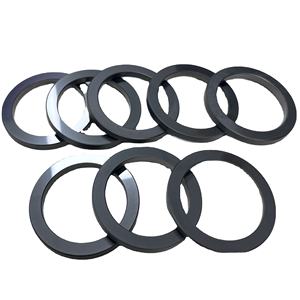
Industrial Wearable Sic Pump Seal Ring Silicon Carbide Ceramic Mechanical Seals
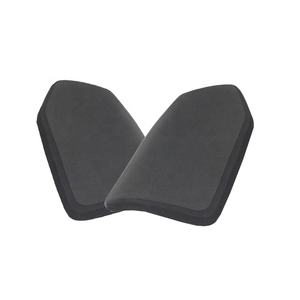
Premium Quality Silicon Carbide Armor Ceramic Plates Tile Panel for Protection
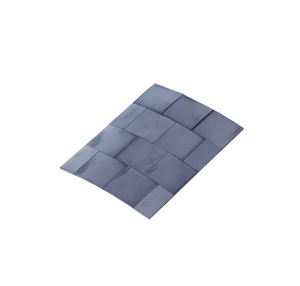
Protective Single Curved Silicon Carbide Composite Ceramic Plate Insert Plate
High Temperature Resistance Silicon Carbide Casing Drone Ceramic for Pump Silicon Carbide