Professional industry ceramic supplier, silicon nitride, silicon carbide, aluminum nitride and any other kinds of ceramics.

PRODUCT PARAMETERS
Description
Overview of Silicon Carbide Ceramic Foam Filter
Silicon Carbide Ceramic Foam Filter ceramics are a class of ultra-high-performance materials known for their exceptional thermal conductivity, outstanding mechanical properties, and superior chemical stability. They excel in the most demanding environments involving extreme temperatures, wear, and corrosive agents. This combination of properties makes SiC ceramics indispensable for advanced applications in aerospace, energy, automotive, and industrial processing.
Features of Silicon Carbide Ceramic Foam Filter
-
Exceptional Thermal Conductivity: Facilitates excellent heat dissipation, outperforming many metals and most other ceramics.
-
High-Temperature Strength: Maintains remarkable mechanical strength and creep resistance at temperatures up to 1650°C.
-
Superior Wear & Abrasion Resistance: Offers extreme hardness, making it ideal for wear-prone components like seals, nozzles, and liners.
-
Excellent Chemical Inertness: Highly resistant to oxidation and attack by acids, alkalis, and molten metals.
-
High Thermal Shock Resistance: Withstands rapid temperature changes without cracking or degrading.
-
Semiconductor Properties: Used extensively in high-power, high-frequency electronic devices.
Specification of Silicon Carbide Ceramic Foam Filter
Silicon Carbide Ceramic Foam Filters clean liquid metal. They remove solid impurities. This improves metal quality. The filters are made from silicon carbide. This material is very strong. It handles high temperatures well. These filters have an open-cell foam structure. This structure traps particles effectively. Pore size is a key specification. Common pore sizes include 10 ppi, 20 ppi, 30 ppi, and 40 ppi. PPI means pores per inch. Higher PPI means smaller holes. Smaller holes catch finer particles. Choose the PPI based on your metal type. Pick the PPI based on your impurity level. The filters resist very high heat. Their maximum service temperature is around 1650°C. This suits many casting processes. Silicon carbide is chemically stable. It does not react easily with molten metals. This prevents contamination. Filters come in different thicknesses. Standard thicknesses are 20mm, 22mm, 25mm, and 30mm. Thicker filters can trap more dirt. But thicker filters might slow the flow slightly. Filter size matters too. Standard sizes fit common foundry equipment. Sizes like 50x50mm, 100x100mm, 150x150mm are typical. Custom sizes are possible. The porosity is very high. Porosity is about 80% to 90%. This means the filter is mostly open space. High porosity allows good metal flow. It also traps lots of impurities. These filters are durable. They withstand thermal shock. Thermal shock is sudden temperature changes. They resist erosion from flowing metal. Using them reduces defects in castings. This saves money. It improves product quality. They are essential for clean metal. They work in aluminum, iron, steel casting.
Applications of Silicon Carbide Ceramic Foam Filter
Silicon carbide ceramic foam filters are special materials used in metal production. They look like sponges made from strong ceramic. These filters go into the metal flow path before casting. Molten metal flows through the tiny holes in the filter. This traps unwanted particles. It removes dirt, oxides, and other junk from the liquid metal. Cleaner metal means better final products.
One big use is in aluminum foundries. Aluminum often contains impurities. These impurities cause defects in castings. Using a silicon carbide filter catches these particles. It improves the metal quality. This leads to stronger aluminum parts. It also reduces waste and saves money.
These filters are also vital for steel production. Steelmakers pour liquid steel into molds. Impurities can ruin the steel’s properties. A ceramic foam filter placed in the stream cleans the steel. It helps produce high-grade steel for cars and machines. Cleaner steel performs better and lasts longer.
The ceramic material handles extreme heat very well. It doesn’t melt or break down in molten metal. Silicon carbide gives the filter strength and long life. This makes it reliable for tough factory conditions.
Factories choose these filters because they work. They improve product quality consistently. They help manufacturers avoid costly defects. They make the casting process smoother. Better filtration means less rework. It leads to higher customer satisfaction. These filters are a key tool for clean metal.
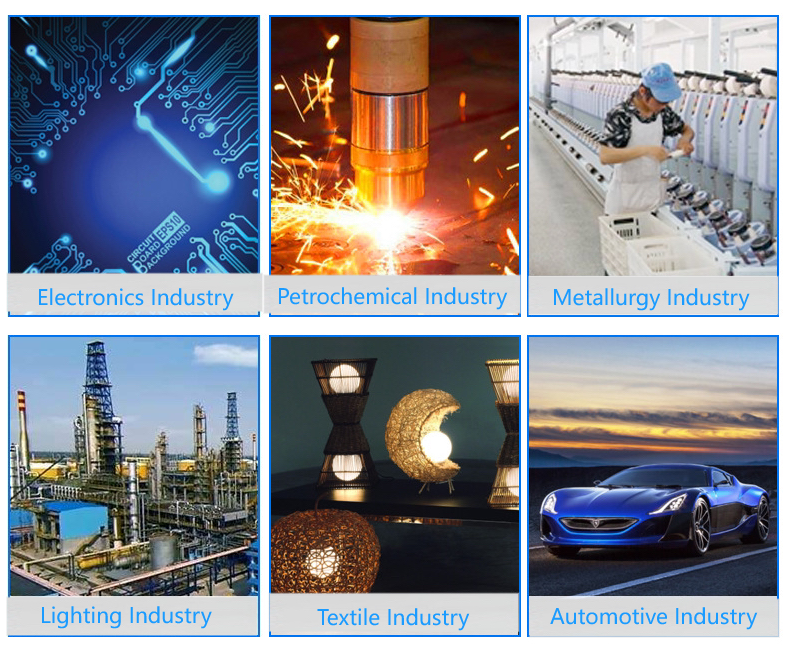
Company Profile
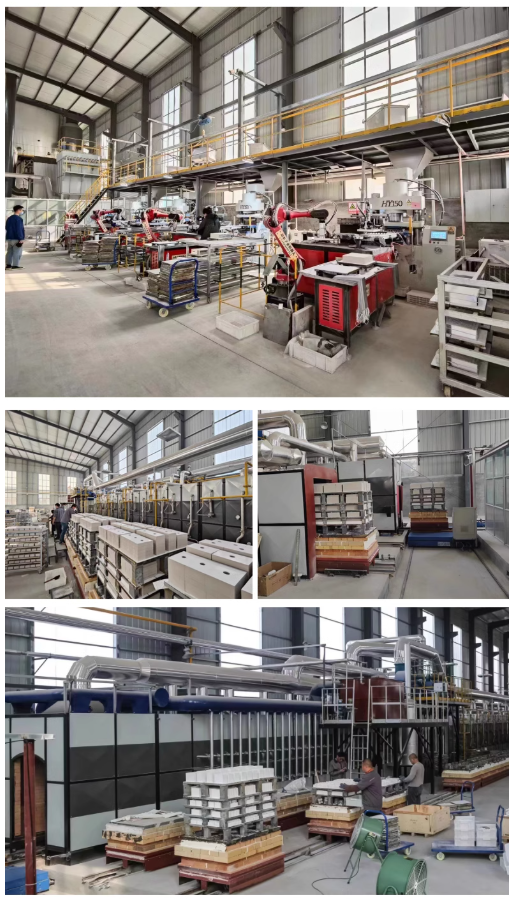
Tanki New Materials Co.Ltd. focus on the research and development, production and sales of ceramic products, serving the electronics, ceramics, chemical and other industries. Since its establishment in 2015, the company has been committed to providing customers with the best products and services, and has become a leader in the industry through continuous technological innovation and strict quality management.
Our products includes but not limited to Aerogel, Aluminum Nitride, Aluminum Oxide, Boron Carbide, Boron Nitride, Ceramic Crucible, Ceramic Fiber, Quartz Product, Refractory Material, Silicon Carbide, Silicon Nitride, ect. please feel free to contact us.
Payment Methods
T/T, Western Union, Paypal, Credit Card etc.
Shipment Methods
By air, by sea, by express, as customers request.
5 FAQs of Silicon Carbide Ceramic Foam Filter
What is a Silicon Carbide Ceramic Foam Filter used for?
It cleans liquid metal. It traps dirt and tiny bits of junk when you pour metal like aluminum or iron. This gives you cleaner, stronger metal pieces.
Why pick Silicon Carbide for these filters?
Silicon Carbide is tough. It handles very hot metal without breaking down. It lasts a long time even in harsh conditions. It gives good results cleaning the metal.
What are the big plus points of using this filter?
Your final metal parts get better. There are fewer holes or weak spots inside. The metal flows better into the mold. You get fewer bad pieces. Your metal quality goes up.
Where do you mostly use these ceramic foam filters?
You see them a lot in making aluminum and iron parts. Factories use them when pouring metal into molds for car parts, engine pieces, or building supplies. Any place needing clean metal uses them.
How long can one filter last?
It depends on the metal and how hot it is. Usually, one filter handles one batch of metal. After that batch, you take it out. It works for the whole pouring cycle. You throw it away after use.
REQUEST A QUOTE
RELATED PRODUCTS
50mm 2″ T-R/T-S Aluminum Oxide Ceramic Zirconia Alumina Silicon Carbide Quick Change Discs for Cleaning Polishing Surface Condition Customized
50mm 75mm 2″ 3” Tr/Ts Aluminum Oxide Ceramic Zirconia Alumina Silicon Carbide Quick Change Discs for Cleaning Polishing Surface Condition Customized
Heat-Resistant Silicon Carbide Ceramic Parts Ceramic Blocks
High-Performance Black Silicon Carbide Ceramic Pipe for Industry
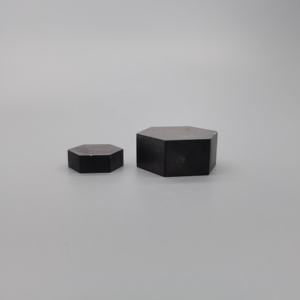
Foundry Alumina Zirconia Molten Metal Filtration Silicon Carbide Sic Ceramic Foam Filter