Professional industry ceramic supplier, silicon nitride, silicon carbide, aluminum nitride and any other kinds of ceramics.


PRODUCT PARAMETERS
Description
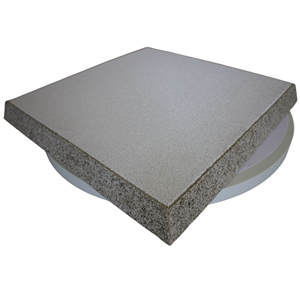
Overview of Silicon Carbide Ceramic Foam Filter
Silicon Carbide Ceramic Foam Filter ceramics are a class of ultra-high-performance materials known for their exceptional thermal conductivity, outstanding mechanical properties, and superior chemical stability. They excel in the most demanding environments involving extreme temperatures, wear, and corrosive agents. This combination of properties makes SiC ceramics indispensable for advanced applications in aerospace, energy, automotive, and industrial processing.
Features of Silicon Carbide Ceramic Foam Filter
-
Exceptional Thermal Conductivity: Facilitates excellent heat dissipation, outperforming many metals and most other ceramics.
-
High-Temperature Strength: Maintains remarkable mechanical strength and creep resistance at temperatures up to 1650°C.
-
Superior Wear & Abrasion Resistance: Offers extreme hardness, making it ideal for wear-prone components like seals, nozzles, and liners.
-
Excellent Chemical Inertness: Highly resistant to oxidation and attack by acids, alkalis, and molten metals.
-
High Thermal Shock Resistance: Withstands rapid temperature changes without cracking or degrading.
-
Semiconductor Properties: Used extensively in high-power, high-frequency electronic devices.
Specification of Silicon Carbide Ceramic Foam Filter
Silicon Carbide Porcelain Foam Filters clean molten metal. They remove undesirable fragments. This enhances the quality of actors metal components. The filters are made from silicon carbide. Silicon carbide is extremely strong. It handles heats well. It withstands chemical attack from liquified metal.
These filters have an open-cell foam structure. The framework resembles a sponge. It has lots of interconnected pores. The pore dimension is very important. Typical pore dimensions are gauged in PPI. PPI represents pores per inch. Normal PPI scores are 10, 15, 20, or 30. Higher PPI suggests smaller sized pores. Smaller pores trap finer bits.
Porosity is additionally key. Porosity refers to the void space. Great filters have high porosity. High porosity implies over 80% open space. This permits great deals of metal to flow with. It decreases resistance. Steel streams much faster.
The filters are available in numerous forms. Usual forms are rounded discs or square ceramic tiles. Standard dimensions exist. Usual sizes are 50mm x 50mm or 230mm x 230mm. Density differs as well. Thickness is typically 20mm, 22mm, or 25mm. Custom-made dimensions are feasible.
They hold up against extremely high warmth. The solution temperature level is above 1400 ° C. This matches steel and extremely alloy spreading. They have good thermal shock resistance. They don’t split quickly when heated up quickly. Their compressive stamina is high. It stays high even at the workplace temperatures. This suggests they don’t collapse under steel pressure.
The product is inert. It does not respond with many molten steels. This consists of iron, steel, and copper alloys. It supplies stable purification. Customers put these filters in the steel circulation path. They suit filter boxes or pouring systems. They record oxides, slag, and various other incorporations. Cleaner metal gets in the mold and mildew. The outcome is fewer defects in castings. It saves money and enhances item quality. Factories use them for vital spreadings.
Applications of Silicon Carbide Ceramic Foam Filter
Foundries make use of silicon carbide ceramic foam filters. These filters tidy liquid steel before casting. They get rid of dust and bubbles. This makes the steel cleaner. Cleanser metal produces far better spreadings. Castings have less imperfections. This saves money. Much less junk methods lower expenses.
The filters are very strong. They take care of heats. They withstand chain reactions. This is essential for hard steels like aluminum. Aluminum prevails in vehicles and planes. Strong filters last longer. Factories replace them much less usually. This reduces downtime.
Steel moves quickly with the filters. The open foam structure assists. The metal does not reduce a lot. Assembly line keep relocating. This benefits making several parts swiftly. Manufacturing facilities need constant speed.
These filters deal with different metals. They deal with iron, steel, aluminum. This adaptability is important. Several sectors benefit. Automobile parts, engine blocks, maker elements all improve. Cleaner metal means more powerful parts. Components last longer. They do much better.
Utilizing these filters improves quality. Customers get better items. Producers spend much less fixing issues. The procedure is more efficient. This technology is developed. Shops count on it.
Company Profile
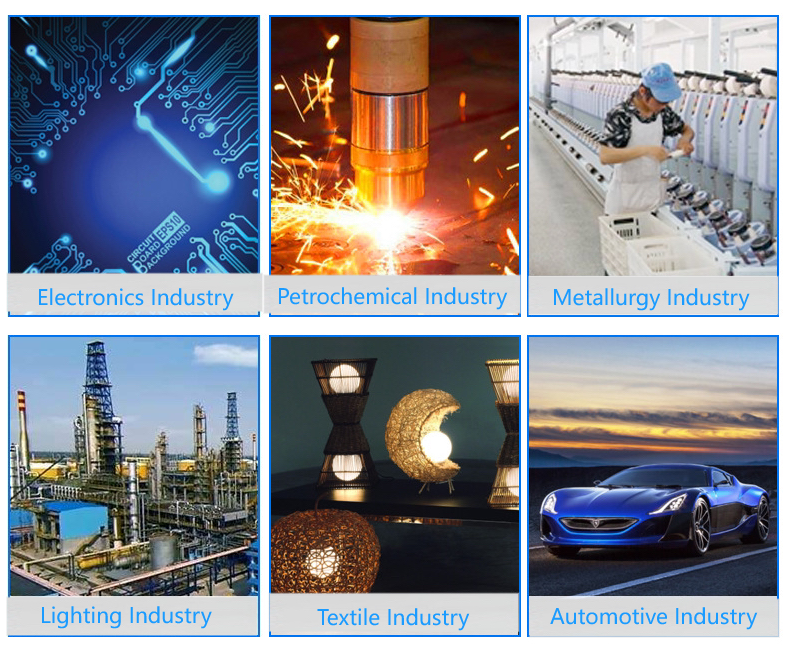
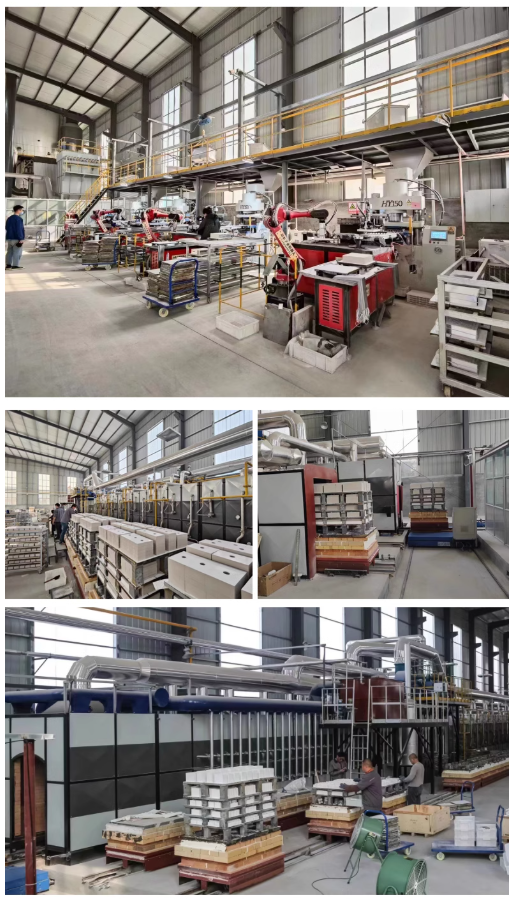
Tanki New Materials Co.Ltd. focus on the research and development, production and sales of ceramic products, serving the electronics, ceramics, chemical and other industries. Since its establishment in 2015, the company has been committed to providing customers with the best products and services, and has become a leader in the industry through continuous technological innovation and strict quality management.
Our products includes but not limited to Aerogel, Aluminum Nitride, Aluminum Oxide, Boron Carbide, Boron Nitride, Ceramic Crucible, Ceramic Fiber, Quartz Product, Refractory Material, Silicon Carbide, Silicon Nitride, ect. please feel free to contact us.
Payment Methods
T/T, Western Union, Paypal, Credit Card etc.
Shipment Methods
By air, by sea, by express, as customers request.
5 FAQs of Silicon Carbide Ceramic Foam Filter
What are silicon carbide ceramic foam filters?
These filters are porous blocks made from silicon carbide. They go into metal casting systems. Their job is trapping impurities in molten metal. They help make cleaner, higher quality castings.
Why use silicon carbide ceramic foam filters?
These filters are very tough. They handle high temperatures well. Molten metal doesn’t easily damage them. They also catch tiny bits of dirt effectively. This results in smoother castings with fewer problems.
How do these filters work?
The filter sits inside the metal flow path. Molten metal pours through its many tiny holes. Solid impurities get stuck inside these holes. Clean metal flows out the other side. The filter acts like a sieve for liquid metal.
What are the main benefits?
Using these filters improves metal quality significantly. Fewer defects happen in the final product. Less waste metal occurs. Production costs often go down. Casting yield improves. Overall efficiency gets better.
How do I choose the right filter?
Think about the metal type you are casting. Consider the pouring temperature. Look at the amount of metal flowing. The filter size and hole size matter greatly. Talk to your supplier. They can suggest the best filter for your specific job.
REQUEST A QUOTE
RELATED PRODUCTS
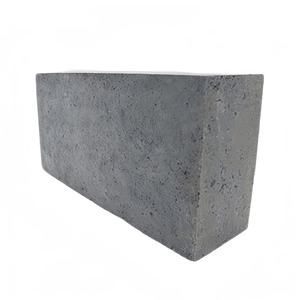
Ultra-Lightweight Sic Ceramic Silicon Carbide Ceramic Parts
Super High Hardness Insulating Component Silicon Carbide Ceramic
Silicon Carbide Radiant Heater Protective Tube / Ceramic Burner Tube / Refractory Burner Nozzle
Tenical Ceramic Ring Silicon Carbide Insulating Component Sic Ceramic
Refractory Silicon Carbide Ceramic for Porcelain Plant