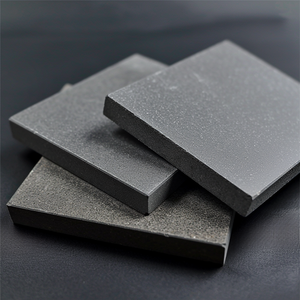
Professional industry ceramic supplier, silicon nitride, silicon carbide, aluminum nitride and any other kinds of ceramics.

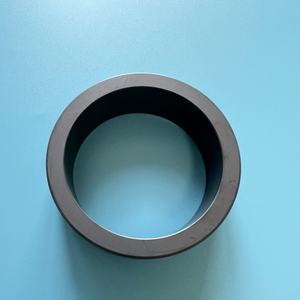
PRODUCT PARAMETERS
Description
Overview of Silicon Carbide Ceramic Foam Filter for The Filtration of Molten Copper and Brass
Silicon Carbide Ceramic Foam Filter for The Filtration of Molten Copper and Brass ceramics are a class of ultra-high-performance materials known for their exceptional thermal conductivity, outstanding mechanical properties, and superior chemical stability. They excel in the most demanding environments involving extreme temperatures, wear, and corrosive agents. This combination of properties makes SiC ceramics indispensable for advanced applications in aerospace, energy, automotive, and industrial processing.
Features of Silicon Carbide Ceramic Foam Filter for The Filtration of Molten Copper and Brass
-
Exceptional Thermal Conductivity: Facilitates excellent heat dissipation, outperforming many metals and most other ceramics.
-
High-Temperature Strength: Maintains remarkable mechanical strength and creep resistance at temperatures up to 1650°C.
-
Superior Wear & Abrasion Resistance: Offers extreme hardness, making it ideal for wear-prone components like seals, nozzles, and liners.
-
Excellent Chemical Inertness: Highly resistant to oxidation and attack by acids, alkalis, and molten metals.
-
High Thermal Shock Resistance: Withstands rapid temperature changes without cracking or degrading.
-
Semiconductor Properties: Used extensively in high-power, high-frequency electronic devices.
Specification of Silicon Carbide Ceramic Foam Filter for The Filtration of Molten Copper and Brass
These filters tidy molten copper and brass. Pollutants create troubles. They create issues. Denied components set you back cash. Silicon Carbide Ceramic Foam Filters fix this. They eliminate strong scrap from the fluid metal. This makes spreading better. Fewer flaws happen.
The filter is made from silicon carbide. Silicon carbide is extremely solid. It handles severe warmth. Molten steel is really warm. This filter does not thaw. It does not break. It stays secure. It responds with oxygen. This produces a safety layer. It quits further damage. The filter is chemically inert. It does not respond with the molten metal. This is important. It keeps the metal pure.
The filter has an open-cell foam structure. It looks like a sponge. This structure has lots of pores. These pores catch strong contaminations. The clean steel streams through. Different pore dimensions exist. Usual sizes are 10, 20, 30, and 40 pores per inch. You choose the dimension based on your demands. Smaller sized pores catch finer fragments. The foam framework provides a huge area. This boosts filtering. It functions well.
Utilizing these filters boosts steel high quality. You obtain cleaner spreadings. Less porosity happens. Fewer incorporations appear. Mechanical homes improve. Your products are more dependable. Customers see fewer declines. Manufacturing prices go down. Heater linings last longer. They endure less damages. The filter serves as an obstacle. It safeguards the cellular lining. This conserves money.
Applications of Silicon Carbide Ceramic Foam Filter for The Filtration of Molten Copper and Brass
Foundries making copper and brass components know clean steel matters. Pollutants injured the final product. Silicon carbide ceramic foam filters fix this issue. They capture the scrap floating in the molten steel. The filter resembles a sponge. It is made from silicon carbide. This material takes care of the extreme warmth. It does not melt or break down. The liquified metal flows right through the filter’s open cells. The small holes trap strong bits. These bits consist of oxides, slag, and loose particles. Clean metal goes through. This happens before the metal enters into the mold. Utilizing these filters makes a huge distinction. The spreadings appear cleaner. You see fewer problems. There are fewer holes or weak points. The surface coating improves. This suggests less work fixing the parts later on. It saves money and time. Fewer spreadings obtain thrown out. The filter also helps the metal flow much better into the mold. It fills the mold much more smoothly. This leads to much more constant parts. The silicon carbide foam lasts well. It withstands the warm copper or brass without failing. Operators discover them very easy to use. They fit into the existing gating system. Installing them is straightforward. The outcome is better high quality castings. Customers obtain even more dependable items. Utilizing these filters makes good service feeling.

Company Profile
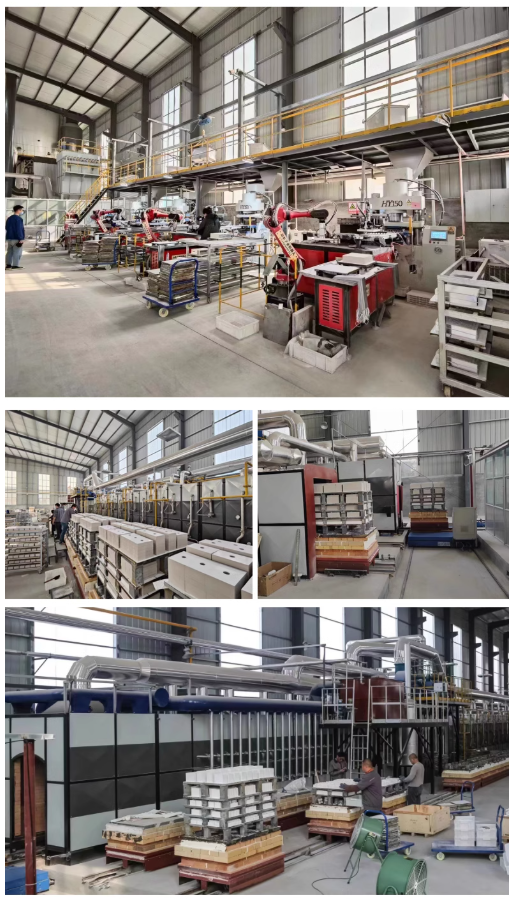
Tanki New Materials Co.Ltd. focus on the research and development, production and sales of ceramic products, serving the electronics, ceramics, chemical and other industries. Since its establishment in 2015, the company has been committed to providing customers with the best products and services, and has become a leader in the industry through continuous technological innovation and strict quality management.
Our products includes but not limited to Aerogel, Aluminum Nitride, Aluminum Oxide, Boron Carbide, Boron Nitride, Ceramic Crucible, Ceramic Fiber, Quartz Product, Refractory Material, Silicon Carbide, Silicon Nitride, ect. please feel free to contact us.
Payment Methods
T/T, Western Union, Paypal, Credit Card etc.
Shipment Methods
By air, by sea, by express, as customers request.
5 FAQs of Silicon Carbide Ceramic Foam Filter for The Filtration of Molten Copper and Brass
Here are answers to common questions about our silicon carbide ceramic foam filters for cleaning molten copper and brass.
What exactly is a silicon carbide ceramic foam filter? It is a porous block made from silicon carbide. The material looks like a sponge. It has many connected holes inside. This structure lets clean metal flow through. It traps solid junk floating in the melt.
Why use this filter for copper and brass? Molten copper and brass pick up dirt easily. This dirt harms the final metal quality. Our filters catch this dirt. They work at the high temperatures needed for copper and brass. Other materials might break or melt. Silicon carbide stays strong.
How does the filter clean the metal? Workers place the filter in the metal flow path. The liquid metal must go through the filter’s tiny holes. Solid bits like oxides or slag are too big. The filter stops them. Only clean metal passes to the mold. This gives better castings.
What filter pore size is best? Pore size matters a lot. We offer different sizes. The right size depends on your metal and the dirt you face. Smaller pores catch finer dirt. But smaller pores also slow the metal flow more. We help you choose the best size. It balances good cleaning and proper metal speed.
How should we handle and store these filters? These filters are strong but can break if hit hard. Be careful moving them. Keep them in a dry place before use. Moisture is bad. Do not put heavy things on top of them. Use them correctly in your system. Follow the setup steps for best results.
REQUEST A QUOTE
RELATED PRODUCTS
Semiconductor Chip Thermal Management Material Silicon Carbide Ceramic Components
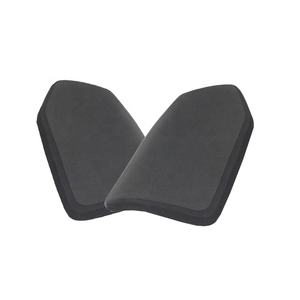
Ultra-Lightweight Silicon Carbide Ceramic Parts Ceramic Blocks
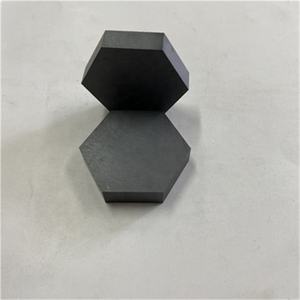
50mm 2″ Tr/Ts Aluminum Oxide Ceramic Zirconia Alumina Silicon Carbide Quick Change Discs for Cleaning Polishing Surface Condition
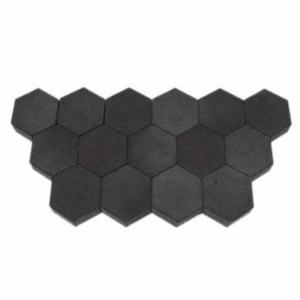
Electrical Technical Customized Insulation Black Silicon Carbide Ceramic
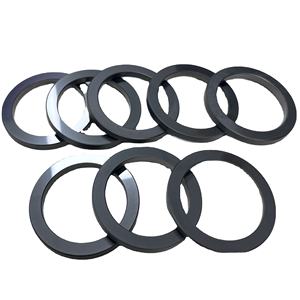
Industry Silicon Carbide Sic Ceramic Desulfurating spray Burner Nozzles